In this Q&A, author Nicholas Enrich describes the last days of USAID, what’s at stake when the US retreats, and what the future of aid could be.
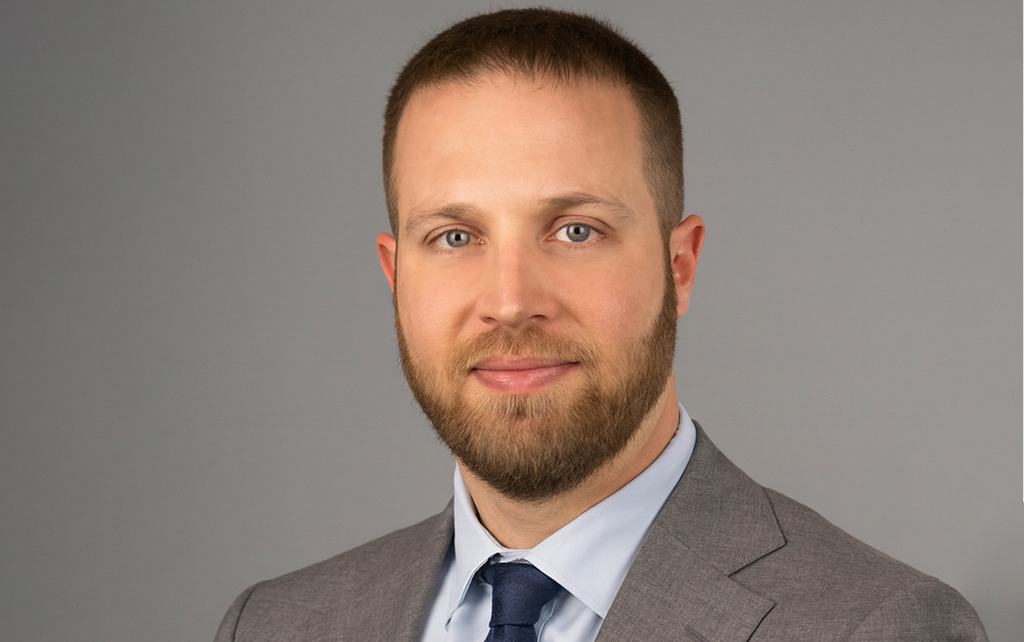
Nicholas Enrich is a former civil servant who worked at United States Agency for International Development (USAID) under four administrations. He served as the Bureau of Global Health's director of Policy, Programs and Planning until January 2025, when he was designated as USAID's acting assistant administrator for Global Health just after President Trump took office in 2025.
During this time, the new administration suspended all USAID programs and began laying off staff and shutting down the agency. On March 2nd, 2025, he was placed under administrative leave for exposing the Trump administration's illegitimate and dangerous dismantling of USAID.
In 2026, he published his book “Into the Wood Chipper: A Whistleblower's Account of How the Trump Administration Shredded USAID.” The following are excerpts of an interview with Oxfam in May, 2026 in which he describes what was happening in USAID during its last days and shares his ideas about how foreign aid could work in the future.
Note: The views and opinions he expresses do not reflect the position of Oxfam.
Why did the Trump administration and the Department of Government Efficiency (DOGE) target USAID?
I think it was kind of a perfect storm.
I think that part of it was that USAID was an easy target, even though it was an agency that served the American public well, protected Americans from infectious diseases, and built partnerships and goodwill abroad in ways that allowed Americans to prosper for decades.
To the extent that people were familiar with USAID, there was this perception that the primary beneficiaries of our programs were people overseas. So it was kind of easy for them to wonder: ‘Why would we be focusing our taxpayer resources on people overseas when we have our own problems here?’ And I think that we honestly never did as good a job as should have explaining to Americans what the benefit of our programs were for them.
The other thing that made it vulnerable was Elon Musk and his DOGE team. Musk, as far as we can tell, had no idea really what USAID was before about December of 2024. By mid-December, he was tweeting about us on his platform and the agency had sort of become his public enemy number one, based on conspiracy theories that he was hearing on podcasts and right-wing social media. I think that he got the wrong perceptions about what USAID did and quickly decided that he was going to make an example of the agency.
What was it like seeing humanitarian programs disrupted despite official exemptions for lifesaving aid?
As the administration was ripping the name of USAID off the side of our building … we needed to focus on the things that we had control over and implementing this waiver and restarting lifesaving projects was, to me, the one area where we could actually continue to make a difference.
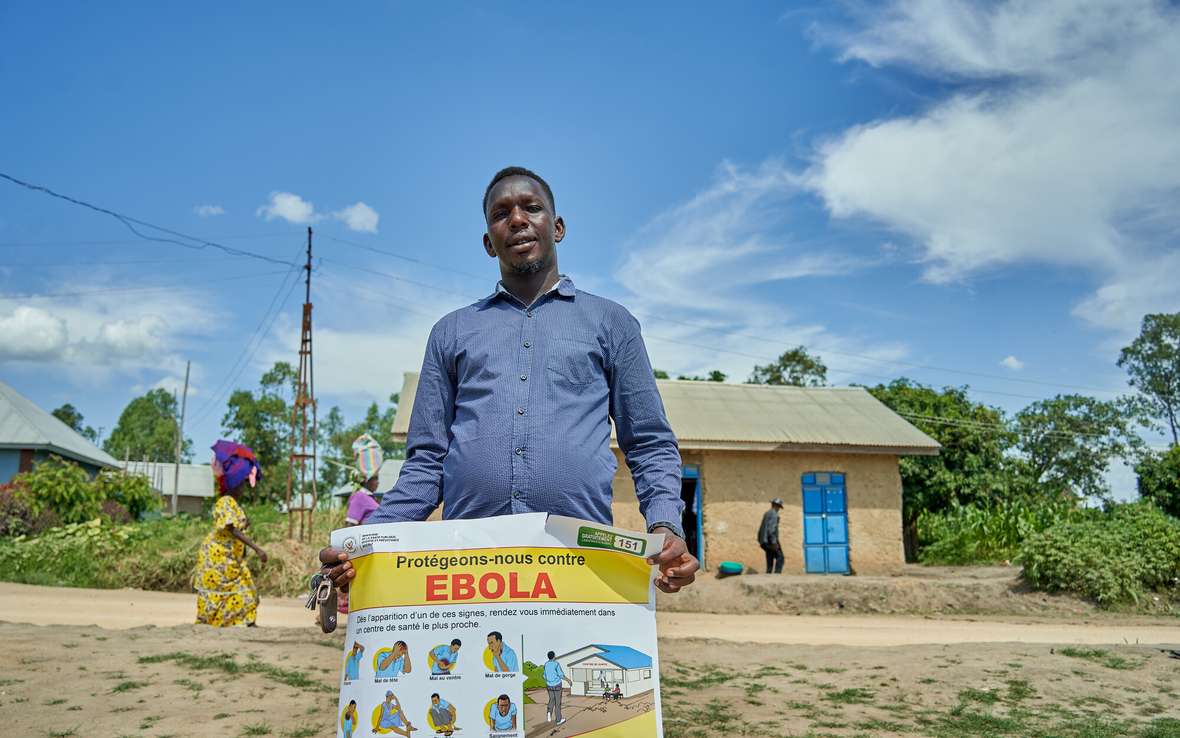
But we were actually stopped at every turn. So first it was the political appointees who would narrow the definition of what lifesaving meant to the point of ridiculousness. They said that Ebola did not count as lifesaving activities. Anything that we couldn't point to the person whose life would be saved by the activity could not be restarted, which meant that all of our monitoring and evaluation, all of our surveillance for diseases, none of these things could be restarted, even though these are the things that public health services absolutely rely upon.
But at the same time, DOGE was destroying our payment system so that even if we were able to restart programs, we couldn't actually get money to our partners. We tried to restart critical tuberculosis or malaria programs, but we couldn't because the entire tuberculosis division and the entire malaria division were on administrative leave without access to their system. So, we didn't have the experts we needed. And then finally, they terminated all of the contracts that were needed to implement our lifesaving programs.
What are the real-world consequences of aid cuts made by the Trump administration?
Conservative estimates show that 750,000 people have already died unnecessarily due to these cuts. And estimates suggest that those numbers could potentially be up to 14 million over the next five years.
When the freeze on foreign aid went into effect overnight, it disrupted all kinds of lifesaving work. One example that I tried to persuade the political appointees with was what was happening with clinical trials related to new drugs for drug-resistant tuberculosis. We had thousands of people on these clinical trials to treat drug-resistant TB. And we were testing out a new drug and new regimens. And the interruption of those clinical trials not only risked the lives of those individuals [in the trial], it also risked the mutation of the disease and the further development of even more drug-resistant strains, that would no longer be resistant to this new antibiotic of last resort.
It's not just a risk to those people. It's a risk to Americans. And it's a risk to the world to be allowing a potentially untreatable strain to mutate by interrupting treatment.
On a mass scale, for example, and why I'm really worried about over the next few years is the interruption of our global immunization campaign. Millions of children receive immunizations from some of the most deadly diseases.. Similarly, we're seeing HIV rates rise among new babies being born in clinics where just a year ago, those numbers were near zero.
How much does the U.S. now give in foreign aid?
Well, that's a great question, because Congress is still appropriating money at nearly the same rate that it did before the cuts to USAID. The question is, what is happening with that money and where is it going? There's a lot of confusion about that, and an enormous lack of transparency from the U.S. government about what's happening with those funds.
What remains of USAID is actually being led by the head of the Office of Management and Budget at the White House, who has basically been doing everything he can to get rid of foreign aid entirely.
What we're seeing in the global health space more generally is that now what's left of USAID was absorbed by the State Department. And they're using this new approach, which is called the America First Global Health Strategy. They're setting up bilateral agreements and memoranda of understanding with individual countries that they're expecting to fund over five-year periods and to implement to some degree some of the global health work that used to be done by USAID at much lower levels than what had been done, with no clear details of how those programs will be implemented.
So it's kind of unclear as to what's happening with the funds since USAID has been demolished. And similarly, we're not getting information on what's happening with the data, what the actual impacts are. The numbers that I said in terms of deaths, those are estimates based on modeling. The State Department, we know they have some data and they haven't been releasing it. And they've also canceled a lot of the projects that were responsible for collecting that data.
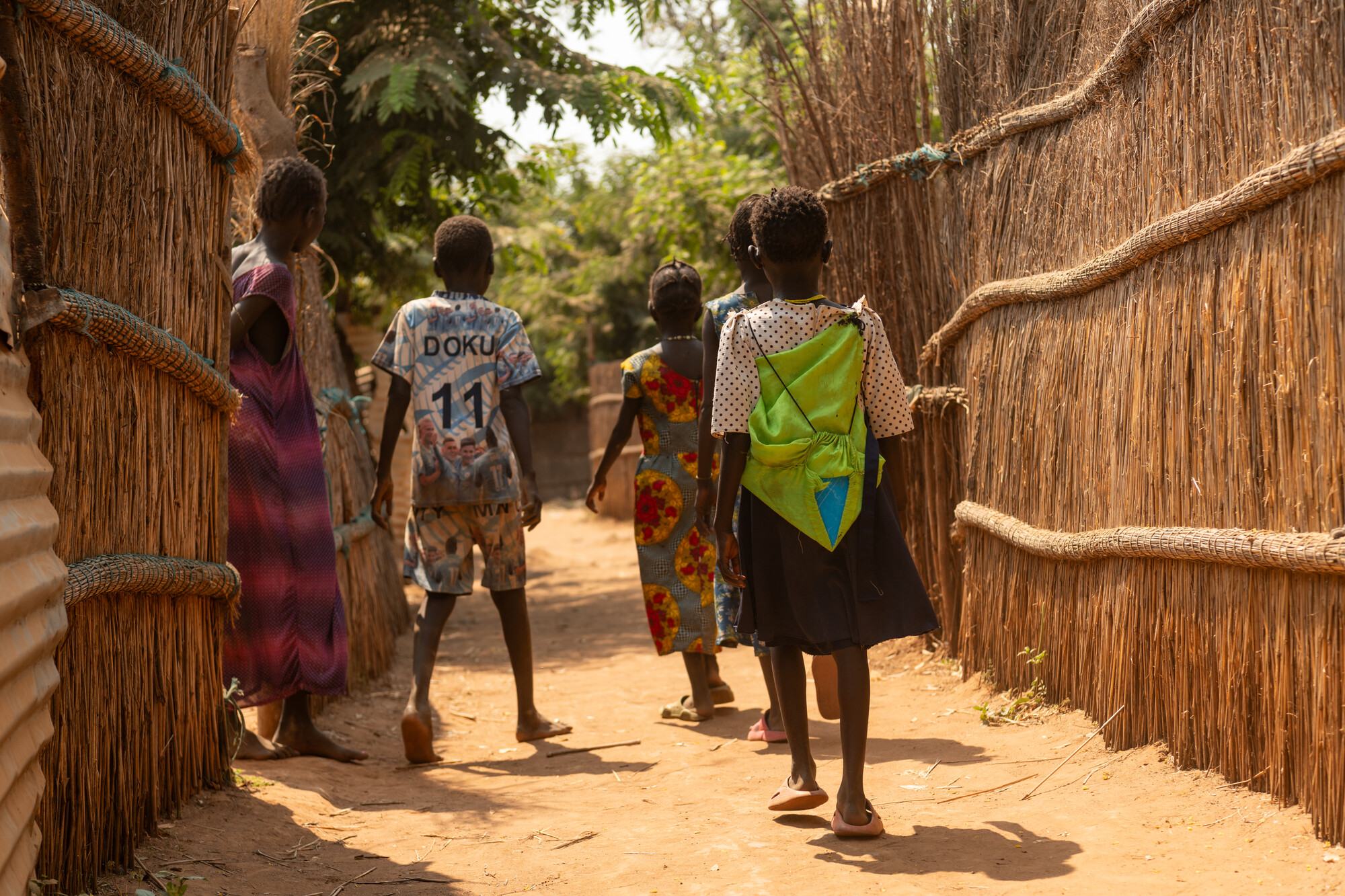
In a post-USAID world, we have an opportunity to recreate a 21st century aid system. What would be a strong foundation and structure for the future of aid?
USAID wasn't demolished because it wasn't working. It was demolished by a group of uninformed and unqualified sycophants who were trying to soothe the ego of a billionaire.
But the fact that they did tear it down does create this opportunity to think about how we can do things differently. One silver lining is that they have destroyed the bureaucracy that often held us back from being the most efficient agency that we possibly could.
There are ways to really emphasize partnership with local organizations and host governments. I think that there are ways to think much more realistically about how we can create a transition to the governments where we're working, to actually no longer needing foreign assistance. And we can set deadlines that are actually based on evidence rather than just pulling the rug out.
But I do think that there needs to be an independent agency. We're already seeing the challenges of having foreign aid folded within the State Department. Our foreign policy works on kind of like a three-legged stool of defense, diplomacy, and development. And the same reason you don't hear people saying that we should be folding the Department of State into the Department of Defense, similarly, we should not be folding international development into the Department of State. And that's what we're seeing with the America First Global Health Strategy. That's what we're seeing with the current response (or non-response) to the Ebola outbreak in DRC.
But there's also a symbolic reason. I think, you know, there's something to be said for having an agency that is the embodiment of American generosity and goodwill. I think President Obama was the one who said that for many people around the world, USAID is the United States. And It's true. The flag of the handshake in the logo with the slogan “From the American People” often was the first thing that many people around the world ever saw of the United States and is a real positive image. And I wonder and I’m concerned about what that image of the United States is now with USAID no longer there.
Where are you seeing resilience and reasons to hope right now?
There're not a lot of reasons to hope right now for this space, but I do see there are a couple of bright spots. First, we are seeing that some of the capacity that's been built in the countries where we've worked for all these years remains, right?
We've seen that a lot of the expertise and resilience in many of the countries where we used to work has held, and a lot of those capacities remain.
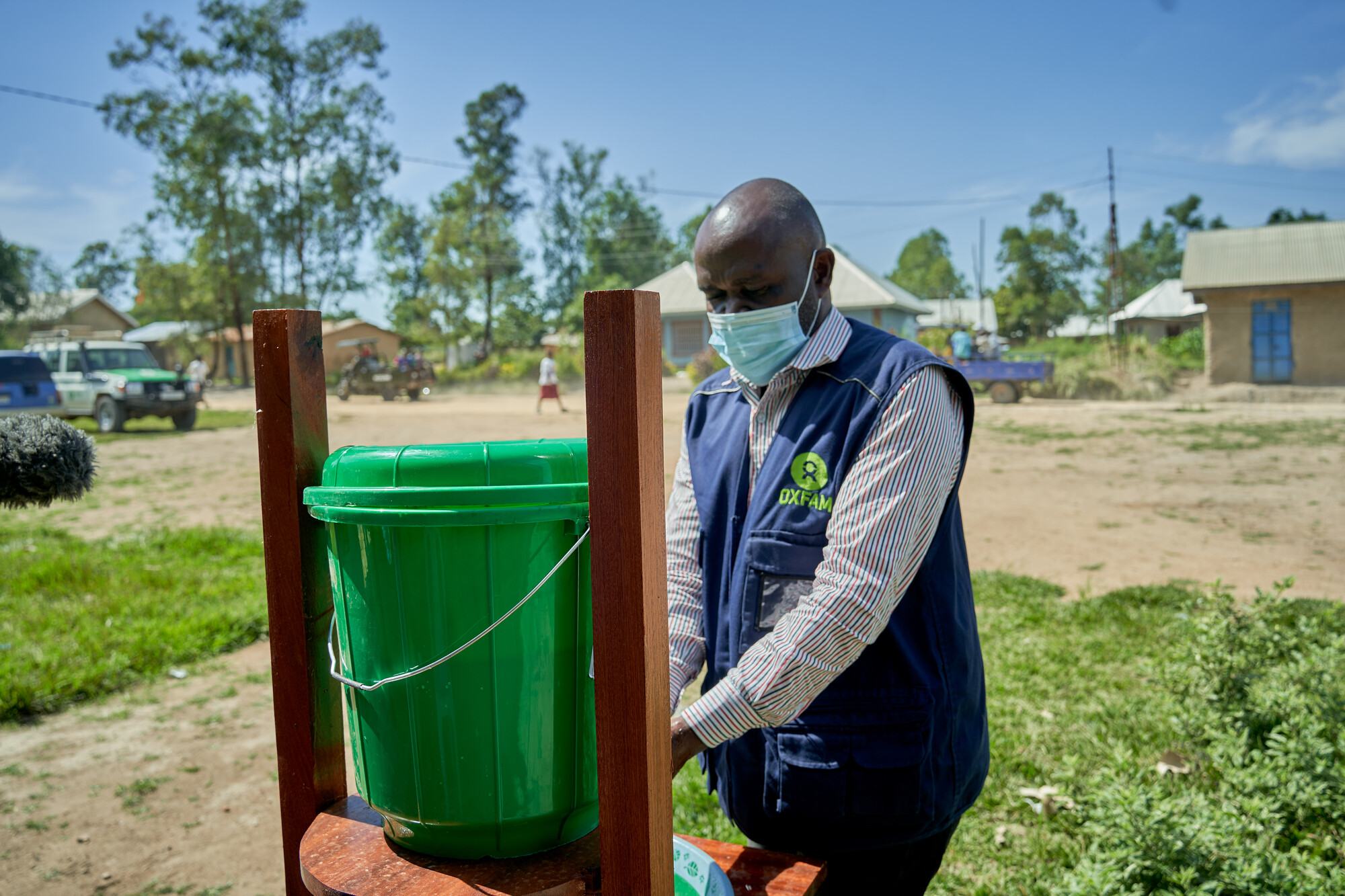
I think there has been a backlash from a political standpoint to the dismantling of USAID in the way that it happened as we see the impacts of the destruction. As I said at the beginning, I don't think people understood what USAID did before it was destroyed. And now I think that they're seeing that a small investment of funding had such an enormous impact.
So I believe that when it does come back, and it will, it will come back with a much more informed public, which will give it a stronger foundation.