Rescue workers search through the rubble after Israel's overnight bombing of Beirut's southern suburbs.
Xinhua/Shutterstock
Last updated: September 16th, 2026
Escalating conflict in Iran, Lebanon, and other parts of Southwest Asia and North Africa, also known as the Middle East, is creating a massive humanitarian crisis.
The consequences of the unlawful attacks by the United States and Israel and retaliatory strikes by Iran are being borne by people across the region, including families, forcibly displaced communities, and most acutely by women and children. Vulnerable communities, already bearing the brunt of ongoing conflicts, will face the most severe effects of the war. The conflict is forcing more people to flee, and will deepen poverty as economies contract and inequality gaps grow.
Oxfam and the partners we work with are responding to meet the needs of people in Lebanon, where hundreds of thousands of people remain displaced. We are also closely monitoring the evolving situation in occupied Palestinian territory, including Gaza, as well as Syria, and other affected areas, assessing the impacts on civilians, frontline staff, partners, and programs. Oxfam and our partners are prepared to expand our response as humanitarian needs grow.
Oxfam in Southwest Asia and North Africa
For more than four decades Oxfam has worked alongside communities in Southwest Asia and North Africa, helping them face emergencies, recover, and thrive. In 2025, Oxfam worked with 364 local partners to reach 2.92 million people across the region, 50 percent of whom were women. Oxfam supports partners working with communities and local organizations to challenge inequality, defend rights, and build just and resilient societies. We work to advance gender justice, strengthen livelihoods, and support people, especially women and marginalized groups, to lead responses to crises, confront the climate emergency, and shape lasting and transformative change.
Lebanon
Oxfam and Lebanese partners were already responding to the humanitarian needs of people in Lebanon when Israel stepped up its attacks on southern areas in early March 2026. As of late August, 4,345 people have been killed in the war. More than 350,000 people in Lebanon are currently displaced from their homes.
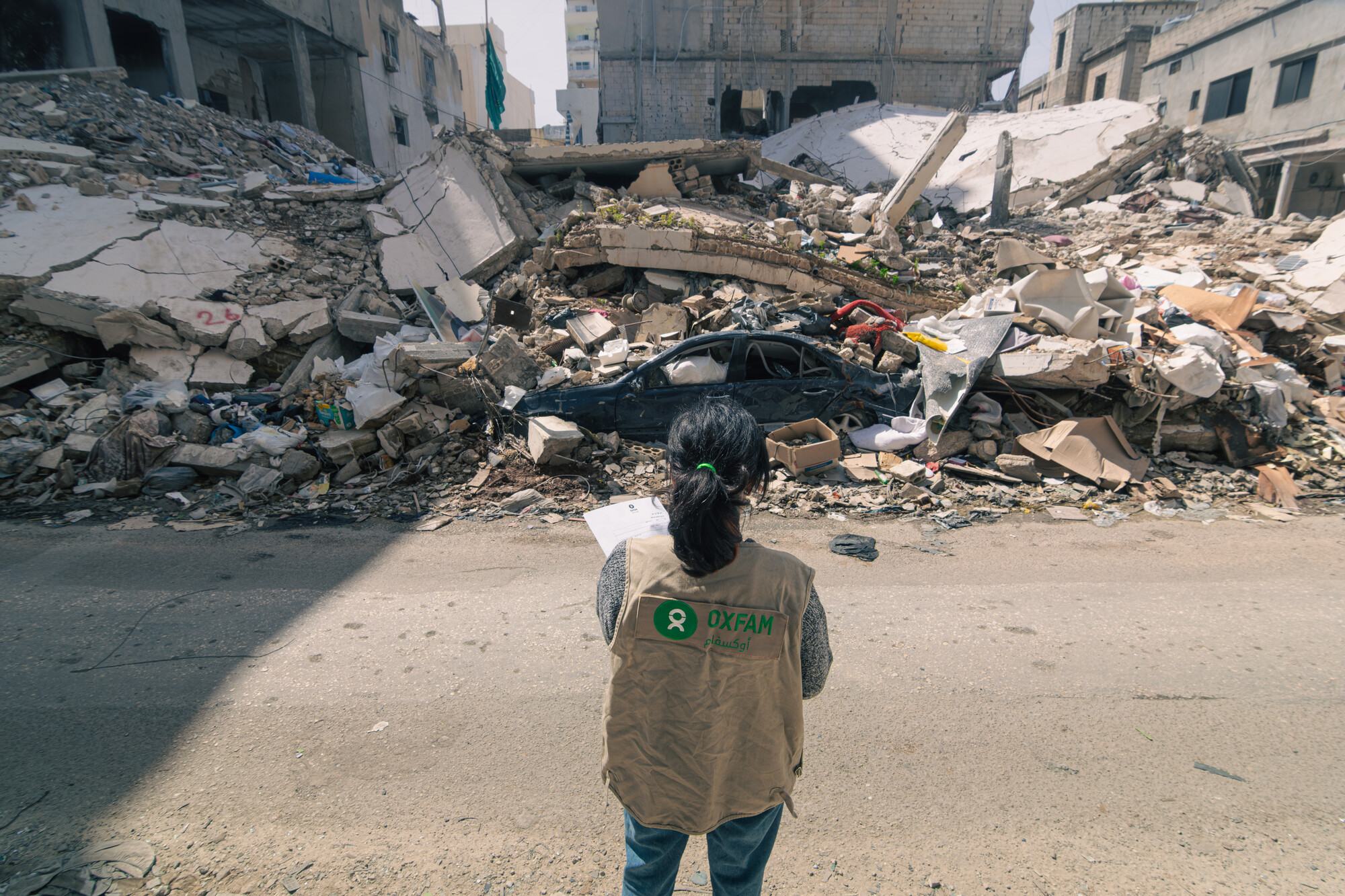
We continue to work with collective shelters to provide hygiene and menstrual hygiene management kits, bedding, water, and sanitation. From March 2026 when the conflict began until August, Oxfam partners have provided humanitarian aid to more than 109,000 people in collective shelters. Oxfam partners in Lebanon are also providing humanitarian aid and services to others displaced from their homes, and seeking shelter in other areas (with friends and relatives in many communities across Lebanon).
Read More: What’s happening in Lebanon?
Gaza and the West Bank
Escalation of conflict in Iran and other countries across Southwest Asia starting in late February 2026 led to immediate impacts in the occupied Palestinian territory where communities already living through profound hardship are experiencing renewed strain.
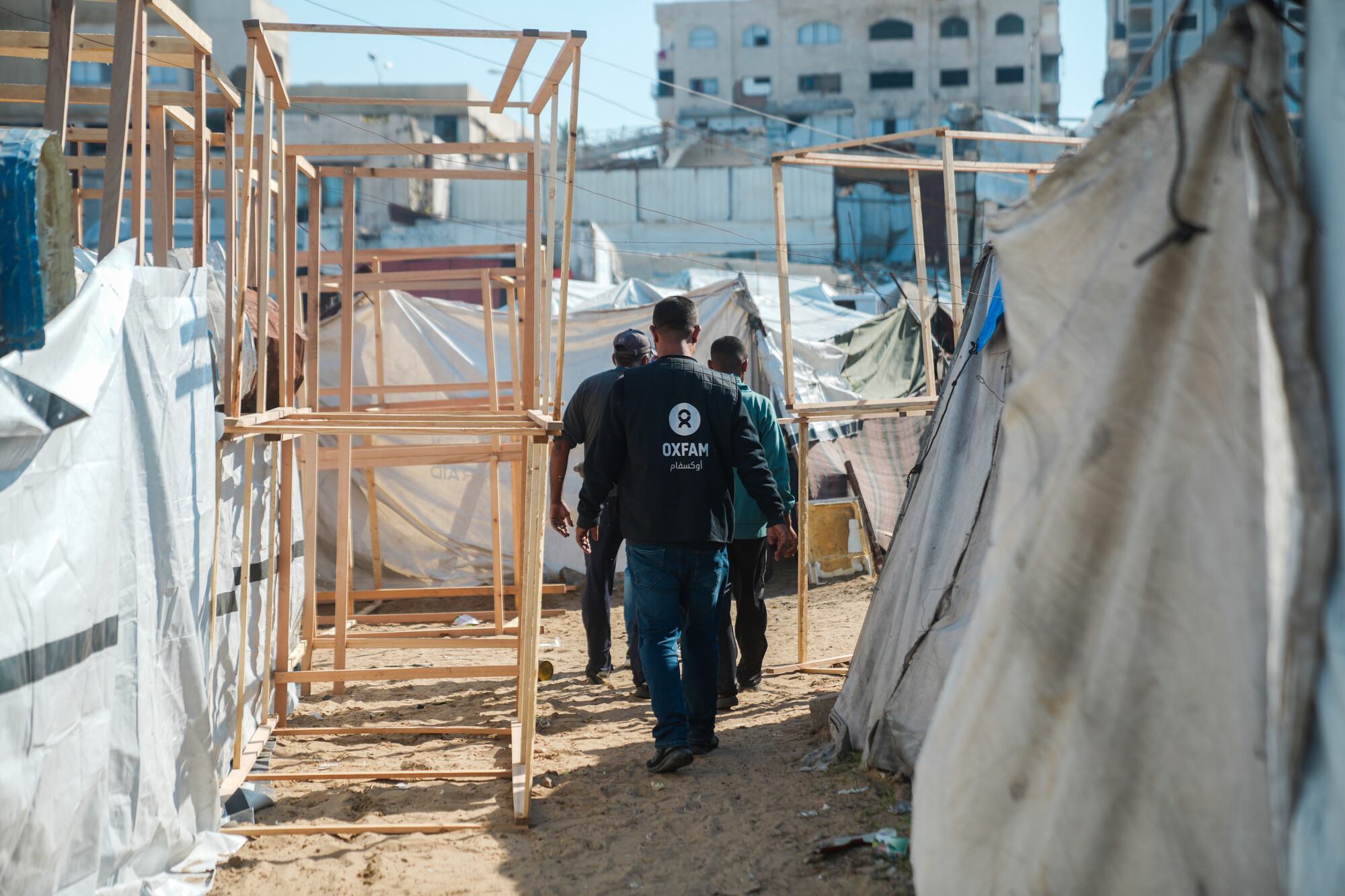
In Gaza, Israeli authorities are heavily restricting and routinely denying aid shipments. Renewed conflict in the region, economic pressure, and persistent insecurity are all deepening an already severe humanitarian crisis. When the war against Iran began, the closure of Gaza’s borders triggered a rapid spike in prices. Markets saw panic buying among those who could afford it, while shopkeepers quickly emptied shelves, a familiar pattern in which goods are withheld and later resold in small quantities at sharply inflated prices.
While Gaza’s borders are no longer fully closed, the flow of aid and commercial goods remains heavily constrained, and though some fuel has entered the Gaza Strip, supplies remain critically low, affecting humanitarian operations and daily life alike.
Oxfam, together with partner organizations, continues humanitarian programming in areas including hygiene kit distribution, livelihoods and agricultural support, food security interventions, and water and sanitation activities.
Read more: What’s happening in Gaza?
In the West Bank, humanitarian needs have increased since the beginning of the conflict in Gaza in 2023 and the war with Iran starting in 2026.
Israeli forces and Israeli settlers are killing and injuring Palestinian people more frequently in the West Bank: In 2020, an average of one Palestinian was injured every three days day by Israeli settlers; this increased to two people injured per day in 2025 to more than three injured per day so far in 2026, according to the UN. From October 2023 to the end of 2025, more Palestinians have been killed by the Israeli military and settlers in the West Bank than in the previous 17 years combined. Of the 1,244 Palestinians killed in this time period, 268 of them were children.
Oxfam supports the work of partner organizations in the most vulnerable communities in the West Bank, improving livelihoods and advancing the rights of communities living under illegal occupation. This includes helping farming communities better manage scarce West Bank water resources, documenting human rights violations against Palestinian communities, and supporting women’s rights organizations.