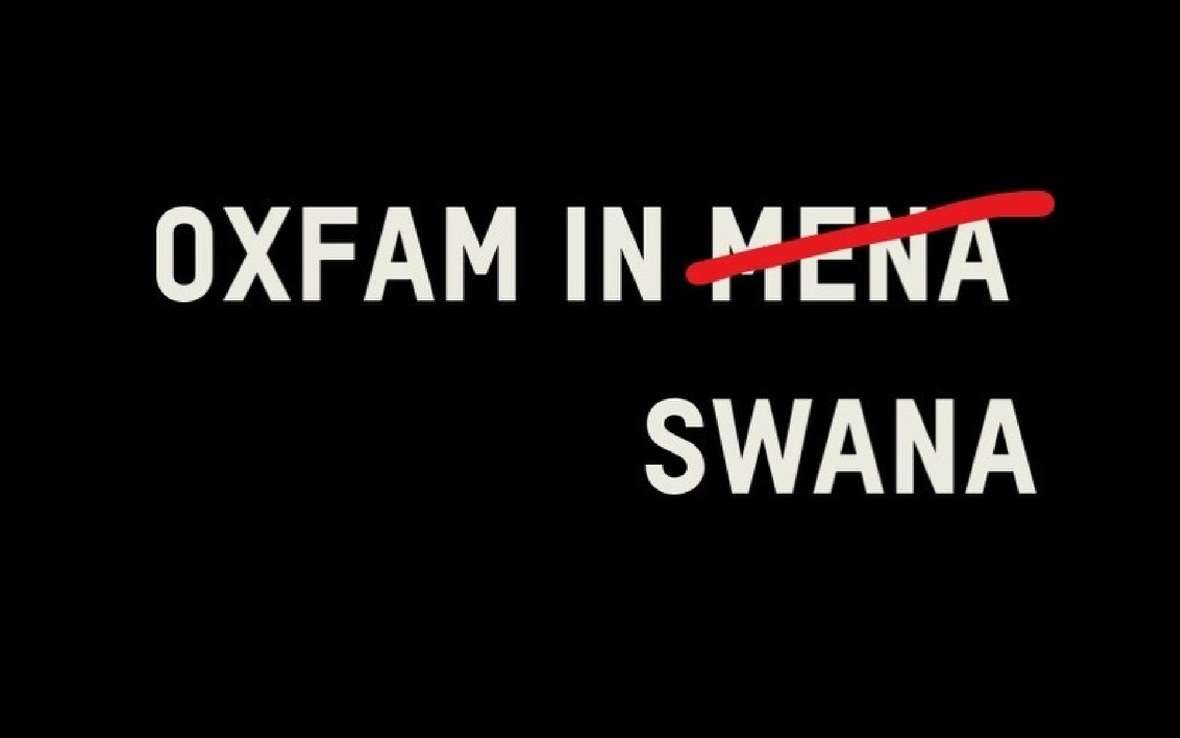
Oxfam will begin using “Southwest Asia and North Africa" to better reflect the people, places, and values at the center of our work in the region.
Oxfam has decided to move away from using the term “Middle East.” Going forward, you will see us start using “Southwest Asia and North Africa" to describe the region.
Language shapes how people and places are understood. The words we use to describe a region can influence how its people are represented, how crises are framed, and how power is understood. “Southwest Asia and North Africa” is language increasingly used across the region by the people who live there, including Oxfam’s partners.
This decision will not change Oxfam’s work in the region. Oxfam will continue working alongside communities to address the root causes of poverty and injustice, respond to emergencies, and support people in long-term recovery.
Here, we answer all the questions you might have about the change, Oxfam’s work in the region, and what you should know.
What does SWANA stand for?
SWANA stands for Southwest Asia and North Africa.
It refers to the region that many people, governments, media outlets, and institutions have long called the “Middle East and North Africa,” or MENA.
Why is Oxfam moving away from using the term “Middle East”?
The term “Middle East” is not neutral. It defines a group of countries by their relation to Europe. Some of the countries we work in that fall in this region are: Lebanon, Syria, Iraq, Yemen, and the Occupied Palestinian Territory.
Terms like “Southwest Asia and North Africa” better reflect the people and places at the heart of our work and aligns with the values we stand for. Oxfam’s shift is part of a broader effort to use language that does not reproduce colonial narratives or power structures.
Why does this matter?
Language shapes how people understand the world. This is more than a change in terminology—it reflects Oxfam’s commitment to localization and regional self-definition, and our belief that language shapes how regions and the people who live there are understood. As an organization that is committed to feminist principles, we believe it is important to listen to people in this region and recognize them accordingly.
Is Oxfam the only organization using "Southwest Asia and North Africa”?
No. Southwest Asia and North Africa, or SWANA, is increasingly used by civil society organizations, feminist movements, and regional organizations.
Does this change where Oxfam works or what Oxfam does?
No. Oxfam’s work and commitment across the region remain the same.
Oxfam will continue working with communities and partners to fight inequality, respond to humanitarian crises, and support long-term recovery.
The language shift does not affect Oxfam’s presence, partnerships, or programs across the region.
Why now?
The shift reflects ongoing conversations across the region and within global civil society about localization, decolonization, feminist leadership, and the importance of communities defining themselves on their own terms.
Oxfam’s regional platform has formally changed its name from “Oxfam in MENA” to “Oxfam in SWANA.” As Oxfam makes that transition, we want to bring our supporters, partners, and wider audiences along with us by explaining why this language matters and how we will use it.
What should you know?
The most important thing to know is that Oxfam’s commitment to people across the region remains unchanged.
We are changing the language we use because words matter. The terms “Southwest Asia and North Africa” better reflect the people and places at the heart of Oxfam’s work, avoids defining the region in relation to Europe, and aligns with our commitment to dignity, justice, and local leadership.
As this transition continues, you may still see Middle East in some Oxfam communications, particularly where it helps audiences understand urgent humanitarian needs. But you will also increasingly see Oxfam use “Southwest Asia and North Africa” as part of our broader commitment to language that reflects the communities we work alongside.