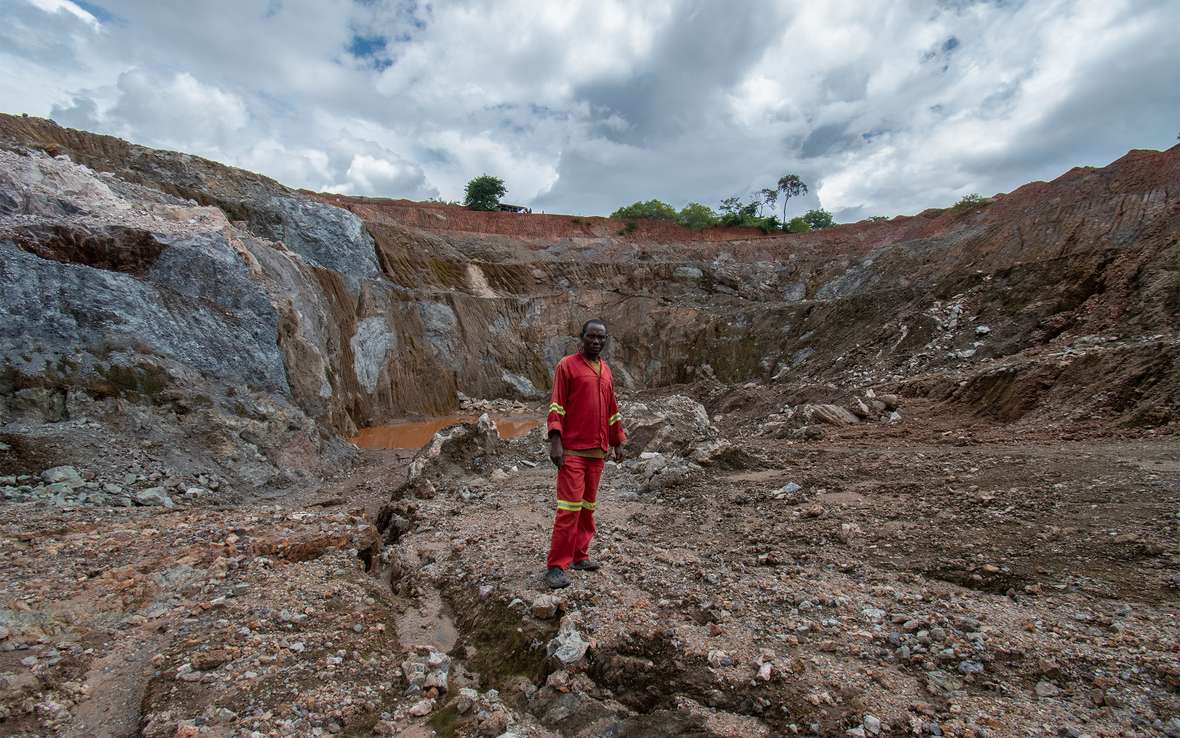
The global race for what’s below pits the business interests of the super-rich against the rights and livelihoods of local communities across the globe.
Did you know that graphite from Mozambique in southern Africa goes into the batteries used by electric carmakers like Tesla?
It’s a hidden reality to most—but an important one to make visible. Especially when Elon Musk, the CEO of Tesla, has seen his wealth skyrocket at a time when 81% of the population in Mozambique lives in poverty on $3 a day. When investors and companies in mining projects fail to account for the human rights impacts of their operations, the prospects of worsening inequality increase as local communities carry the risk.
As the super-rich grow their political and economic power, the race for critical minerals is an emerging frontier in the fight for economic justice and human rights. Batteries, electric vehicles, smartphones—all rely on extractive industries within mineral-rich communities across the Global South. And human rights defenders in those communities have something to say about what’s at stake.
Oxfam, the global organization that fights inequality to end poverty and injustice, has worked alongside communities affected by extractive industries for decades. So we’re going to explain why the demand for critical minerals is soaring, how billionaires are putting their thumb on the scale, and what it could mean for the fight against inequality.
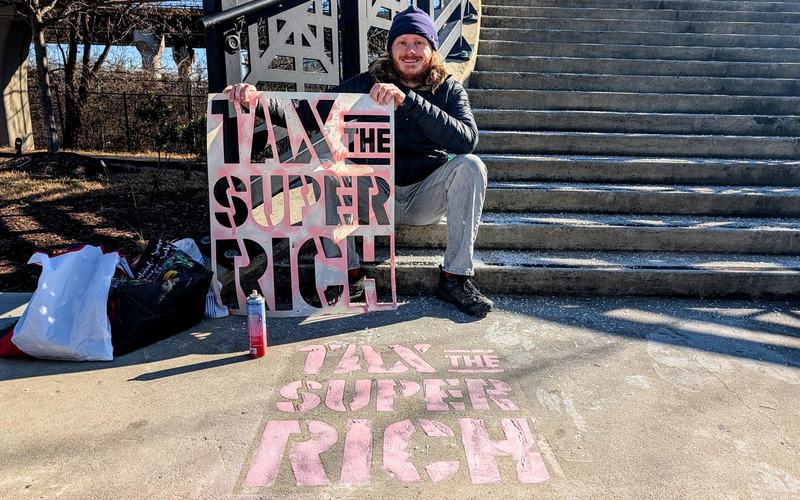
What are critical minerals?
Critical minerals are raw materials like cobalt, copper, graphite, and lithium that are powering the clean energy transition and fueling some of the next generation of technologies.
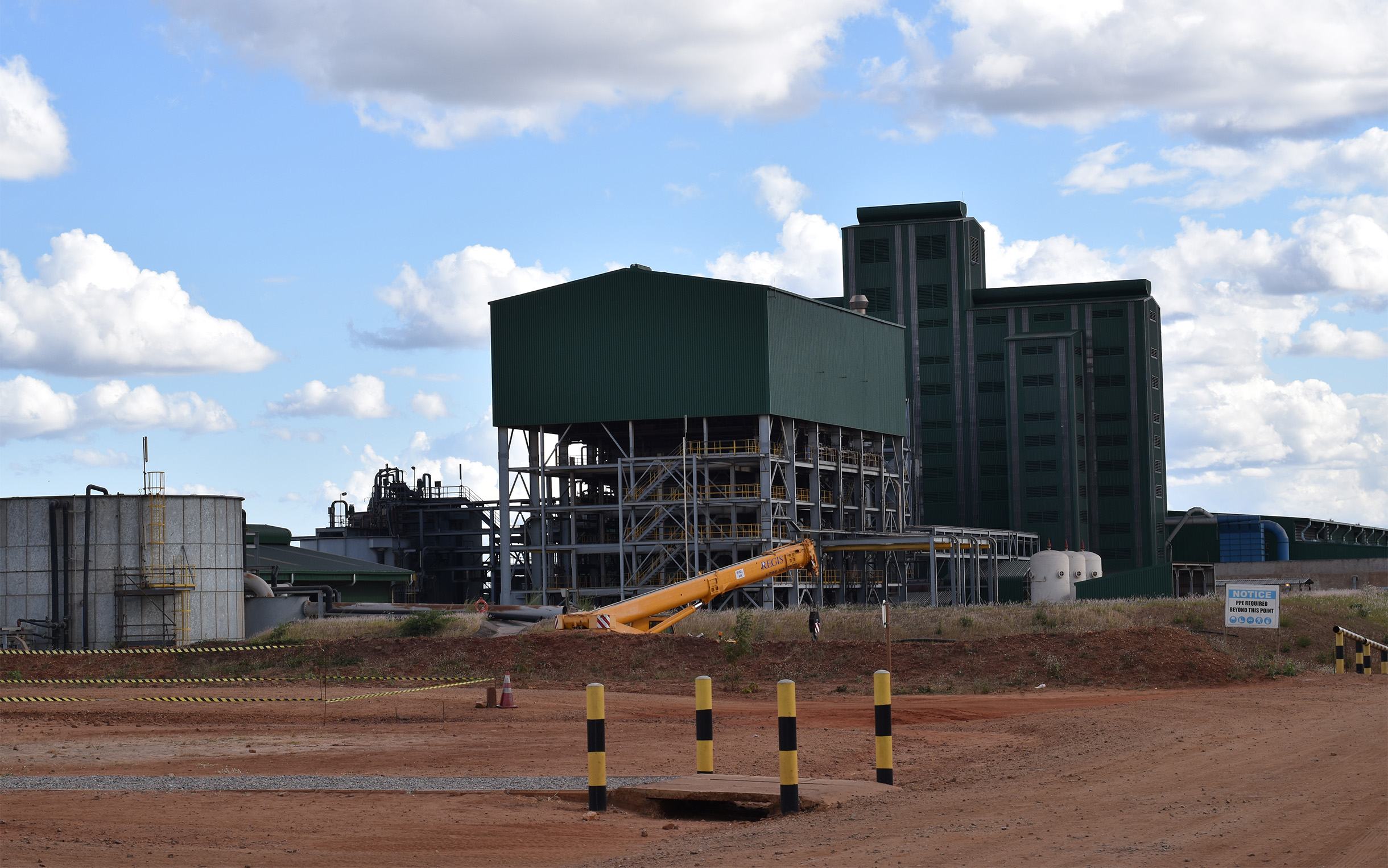
- Major mines and deposits of these minerals are concentrated across parts of Latin America, Africa, and Asia.
- For example, the Democratic Republic of the Congo (DRC) has the world’s largest cobalt reserves, and Chile, Argentina, and Bolivia are known as the “Lithium Triangle” given their mineral-rich salt flats.
New consumer and defense technologies—think phones, satellites, and drones—rely on them. So do solar panels and wind turbines. And the demand for these minerals is projected to soar as countries use them to shore up and secure their energy, economic, and defense sectors.
Why are billionaires and their companies interested in critical minerals?
Consider critical minerals, along with artificial intelligence and Big Data projects, as this century’s “new oil.” If fossil fuel extraction fueled significant investment in the past, now that money is going toward critical minerals.
That’s because AI data centers and electric vehicles require an extensive amount of them, and billionaires and large corporations want in. Their influence is not only measured in personal wealth: it is exercised through the capital they deploy, the policies they champion, and the corporate strategies they help finance. Look no further than President Trump’s “minerals-for-peace” agreement last year between the DRC and Rwanda, orchestrated by one of his billionaire backers.
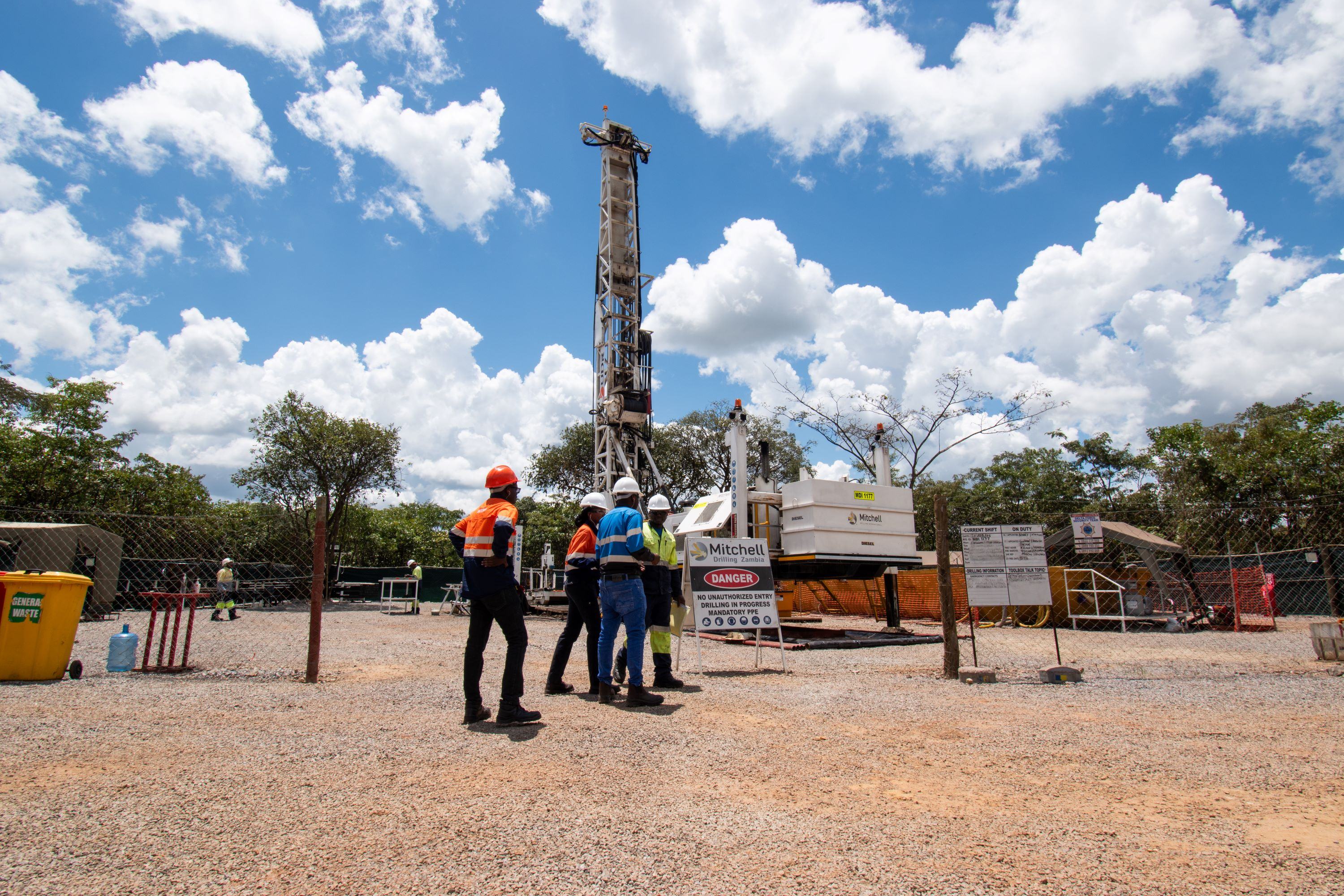
Tech CEOs are also quickly joining the ranks of mining investors. Bill Gates and Jeff Bezos have all backed KoBold Metals, an “AI-enhanced" mining company with interests in Zambia and the Democratic Republic of Congo, among other locations. In April, the company broke ground on a new project in Zambia to mine one of the world’s largest copper deposits to sustain the proliferation of AI data centers.
According to a 2025 Oxfam report, although Global South countries hold roughly 70% of transition minerals reserves, the majority of the investments in renewable energy are concentrated in the Global North (50%) and China (29%)—with those profits largely falling into the hands of the richest 1%.
Billionaires and financiers that have made their fortune in mining—like Robert Friedland—are also championing a more muscular approach to the U.S. securing critical minerals, including through the use of taxpayer dollars and public financing. That raises significant questions about who stands to benefit from these projects.
How are people in local communities across the world being affected?
Backed by billionaires, structured by geopolitical competition, and moving forward in a dangerous sector, the battle for what’s below is fierce. This is particularly true for those people on the frontlines of these projects—mine workers and host communities—who remain exposed to environmental hazards and dangerous, sometimes fatal, working conditions.
Mining is one of the world’s most poorly-regarded industries. Companies in the sector have a sordid history, ranging from direct violence against striking workers and human rights defenders to the slow violence of pollution and cultural erasure. Grand corruption and tax evasion remain deeply worrisome, and host communities often have little to show for investments in their backyards.
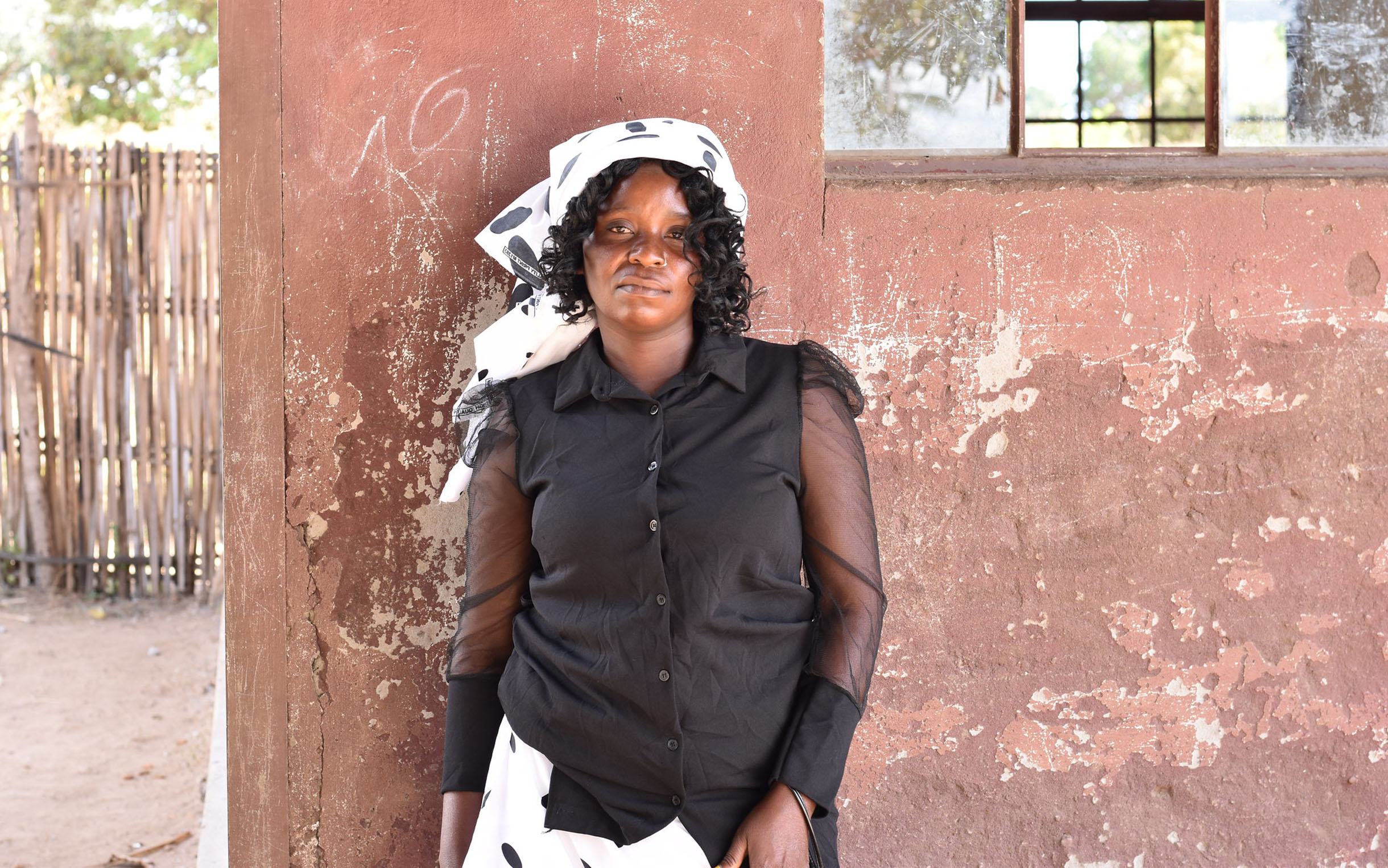
In places like Mozambique, the graphite industry provides much-needed tax revenue for the state and hundreds of jobs for the affected communities, but it also has a profound human rights consequence for the rural communities that live closest to mining operations.
“The best of our land has been taken from us in the past decade,” said a community leader near a graphite mine in Balama. “Our land is rich in graphite, and they need to expand into our fields, the areas we depend on to grow our food."
As of September 2025, mining, renewable energy projects, and industrial development linked to the energy transition—overwhelmingly driven by powerful elites—are also threatening the rights of Indigenous peoples in as much as 60 percent of their recognized lands; at 22.7 million kilometers squared. This is roughly the size of Brazil, the U.S., and India combined.
“The richest countries and super-rich individuals are driving the climate crisis to its current tipping point, over-consuming the carbon budget through deeply unequal and extractive systems,” said Oxfam Executive Director Amitabh Behar. “Now they are trying to capture and control the energy transition at the expense of the poorest and most climate-vulnerable countries, driving up inequality further. A truly just transition starts with an end to the patterns of injustice, misrule, and excess.”
What does Oxfam’s work with communities affected by natural resource extraction tell us about what lies ahead?
Oxfam’s long history in mining-affected regions suggest these kinds of projects are increasingly delayed, suspended, or cancelled because companies and governments fail to secure a social license to operate with frontline communities—not because of failed mineral diplomacy or a lack of billionaire intrigue.
Companies that bypass consultation processes, sideline Indigenous rights, or weaken environmental and human rights safeguards often create the same delays policymakers and investors are trying to avoid. The challenge ahead of us is to figure out how to prevent mining from changing the underlying structural factors that worsen social and gender inequality.
We strive for local communities and Indigenous peoples to drive decision-making in relation to their lands and resources, where they assert their rights with regard to extractive industries, and for natural resource extraction to no longer drive the climate crisis. Core to our work is realizing people’s rights to control resources: shifting from an exploitative and extractive model to a local and sustainable system that reduces inequality and poverty.
Back near Balama, another community leader in the village said the community is prepared to take their fight for better land compensation until the last consequences.
“I would rather die, than agree to give any more community land to the project. We are also considering taking our land back. They are cheating us by paying us less than we deserve. Our land has the graphite they need to make a lot of money. It’s only fair that we should be given fair compensation in exchange for our fields.”
Conclusion
The race for critical minerals is not simply a test of whether the world can build more batteries, data centers, and electric vehicles. It is a test of who gets to decide how the clean energy transition unfolds—and who shares in its benefits.
Billionaires and mega-corporations may have the capital and political influence to shape the next mining boom. But communities living near mines have rights, expertise, and a direct stake in decisions about their land, water, health, and livelihoods. A transition that treats their consent as an obstacle, rather than a condition for moving forward, risks repeating the extractive injustices of the fossil-fuel era.
The question is not whether critical minerals will shape the global economy. They already are. The question is whether the people whose lands hold these resources will be able to shape the future built from them.