
Around the world, what has Oxfam learned from the people closest to disasters and emergencies?
Since the brutal shutdown of USAID along with the cancellation of tens of billions of dollars in aid funding, a lot of people are wondering about the future of the global aid system. After all, what happens next when 40 percent of the world’s aid evaporates, as well as most of the people, systems, and learnings that helped that aid work?
Oxfam has been listening closely to the voices of local communities and partners across the globe about what they need when—and before—disaster strikes. The answers are plentiful: Allocating more resources to what affected communities actually need so they’re put to good use; putting more women leaders in charge of disaster management; and supporting homegrown projects like savings groups and food banks to build the resilience of communities in times of crisis, just to name a few.
As we start to imagine the future of aid, here are five lessons from Oxfam’s work with local communities and partners.
1. Local people are primary responders and leaders
Community members—not international NGOs—are often the first and best positioned responders in times of crisis. People living through a crisis often already know what they need and organize practical solutions to the situation as it unfolds. With intimate knowledge of where they live and the support structures that already exist, they can make efficient use of limited resources during a crisis response.
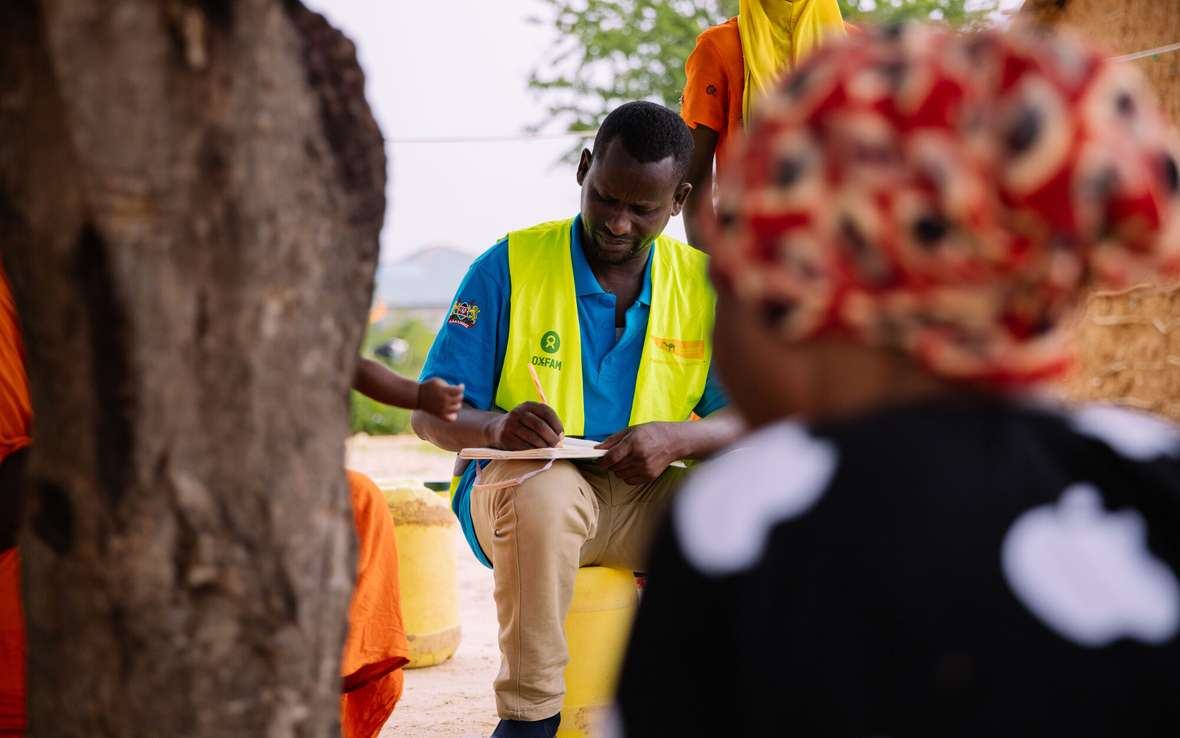
When floods decimated parts of Kenya in 2023 after five seasons of failed rains, more than 30 Kenyan humanitarian and development organizations in the area helped coordinate the humanitarian response. Known as the ASAL Humanitarian Network (AHN), the collective monitored the situation and directed aid to the counties and communities that needed it most. Many of its members specialized in water, sanitation, and cash distribution.
“Local groups understand the power relationships and political and social nuances and can navigate the communities better than INGOs based in Nairobi or elsewhere,” said Matthew Cousins, then humanitarian director of Oxfam in Kenya, in 2024.
2. Women are time and time again leading the way in disaster management
Women are disproportionately affected by disasters. As caregivers, they must provide for children, elders, and people with disabilities in settings that may lack adequate food, water, shelter, and security. Centering their knowledge and capacities improve both the quality of humanitarian response and the fairness of who benefits. Safety and ensuring the rights for women in crisis consequently become a critical humanitarian priority.
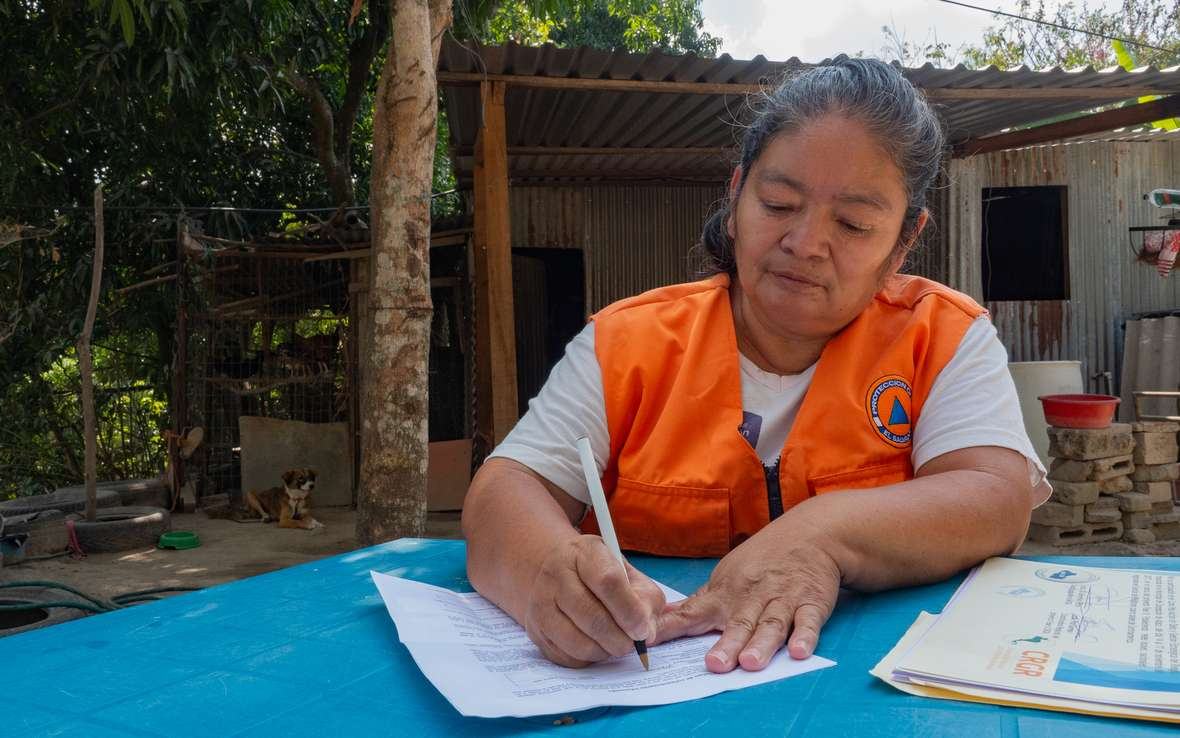
In El Salvador, Morena del Carmen De León Martínez worked with the mayor’s office and local organizations to get food to families during the COVID-19 pandemic. She provided valuable information about the need for affordable water in her community to the Mesa, a network of 23 Salvadoran organizations that work on reducing disaster risks.
Magdalena Cortéz, the director of FUMA, a Salvadoran NGO, said she was one of De León Martínez’s biggest fans. “She is a woman who will stand up in front of the authorities and say, ‘you’re getting it wrong, and here’s what you need to do.’”
3. Local communities raise up the power of mutual aid and micro-systems of care
In communities around the world, food banks, savings groups, early warning systems, and farmer‑to‑farmer trainings are examples of essential social infrastructure that help reduce risks and build resilience in times of crisis. Handwashing stations—designed by communities, for communities—and WASH facilities in refugee contexts show how practical knowledge about congestion, safety, and cultural norms comes from those who will actually use the infrastructure.
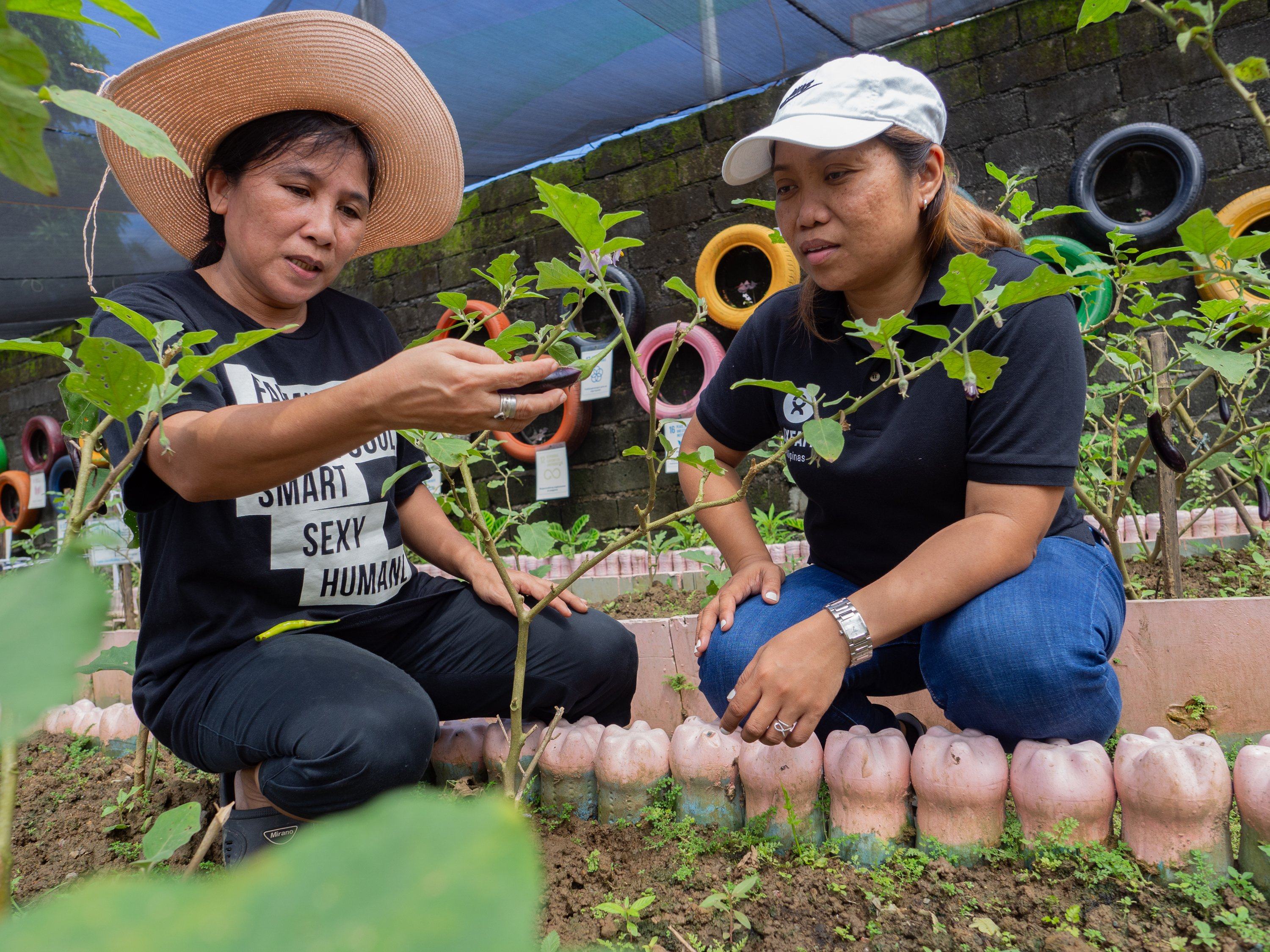
In Quezon City, the Philippines, community members turned a 1,000-square-foot plot of wasteland into an urban food garden to improve nutrition and build economic self-sufficiency. The gardeners grew produce to both eat and sell, pooling their profits and issuing small, low-interest loans to members whenever they need or want them. The most exciting result: better health.
“Farm collectives not only help women earn a living and improve their families’ nutrition,” says Cherrie Atilano, CEO of AGREA, an Oxfam partner on the initiative. “They create the kind of camaraderie that can help women feel supported and gain confidence in their lives.”
4. Disasters are not isolated events, but structural in nature
The circumstances that lead to immense suffering are hardly a matter of bad luck. These crises are actually structural, trapping some communities at the intersection of multiple crises at the same time.
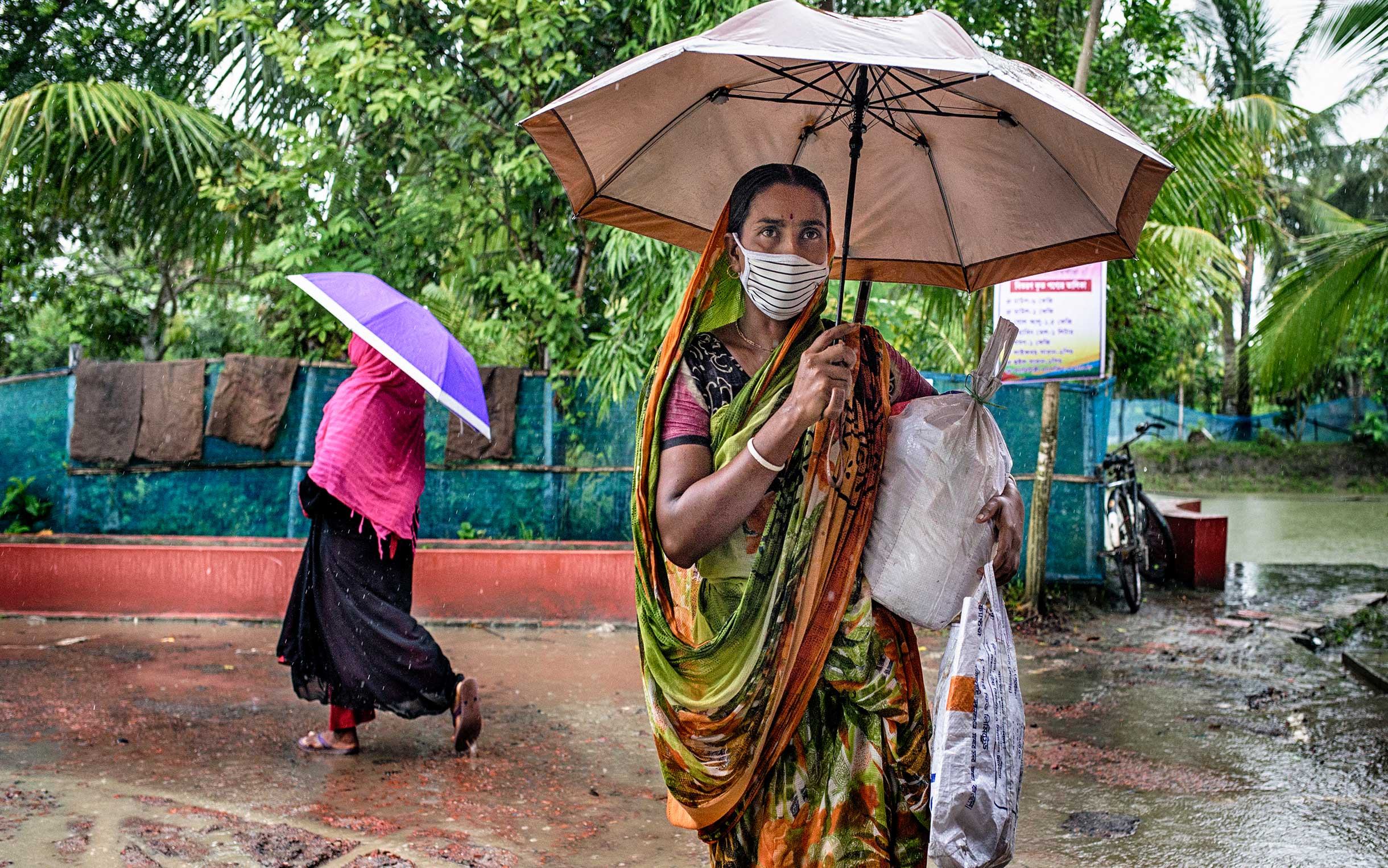
Take refugees living in the Rohingya refugee camps in Bangladesh in 2020. When changes in the climate contributed to the most powerful cyclone ever on record in the Bay of Bengal, the need for people to crowd into buildings that were safe was at odds with the need for physical distancing during the COVID pandemic to prevent the spread of the virus. Layer onto that pre-existing inequalities that had already put many in the camp in harm’s way, and the impact was magnified.
“The people here are brave and can face any kind of emergency,” said Mostafa Nuruzzaman, the director of Oxfam partner Shushilan. “Inequality can turn a natural hazard like a cyclone or a virus into a catastrophe for everyone but the rich. And the disasters themselves deepen the divide between rich and poor.”
5. Shifting power is at the heart of transformational change in the aid sector
International actors and funders should channel resources, decision‑making power, and visibility to local leaders—especially women and marginalized communities—rather than bypassing or underfunding them.
Humanitarian responses are more effective when they are locally-led, factor in the lived experiences of people of all genders, and take into consideration the structural factors that explain why some people have greater needs than others. Anything less risks reinforcing the very inequalities that drive these crises.
What’s at the heart of this transformation? The power of human rights, justice, and shifting power, rather than charity. It’s not about coping through the hard times, it’s about transforming systems that keep people in vulnerable situations in the first place.
From the Philippines to Bangladesh, Vanuatu to Puerto Rico, local committees, youth groups, and community‑based organizations have led the way. While Oxfam deploys its own staff to respond to major disasters, we are resolutely committed to promoting local humanitarian leadership—on ensuring that grassroots aid providers have the technical skills, funds, and influence they need to take action in emergencies.
“When it comes to humanitarian work, local organizations bring a lot to the table,” said Matthew Cousins, then humanitarian director of Oxfam in Kenya, in 2024. “Our job is to support not only their projects but their leadership.”