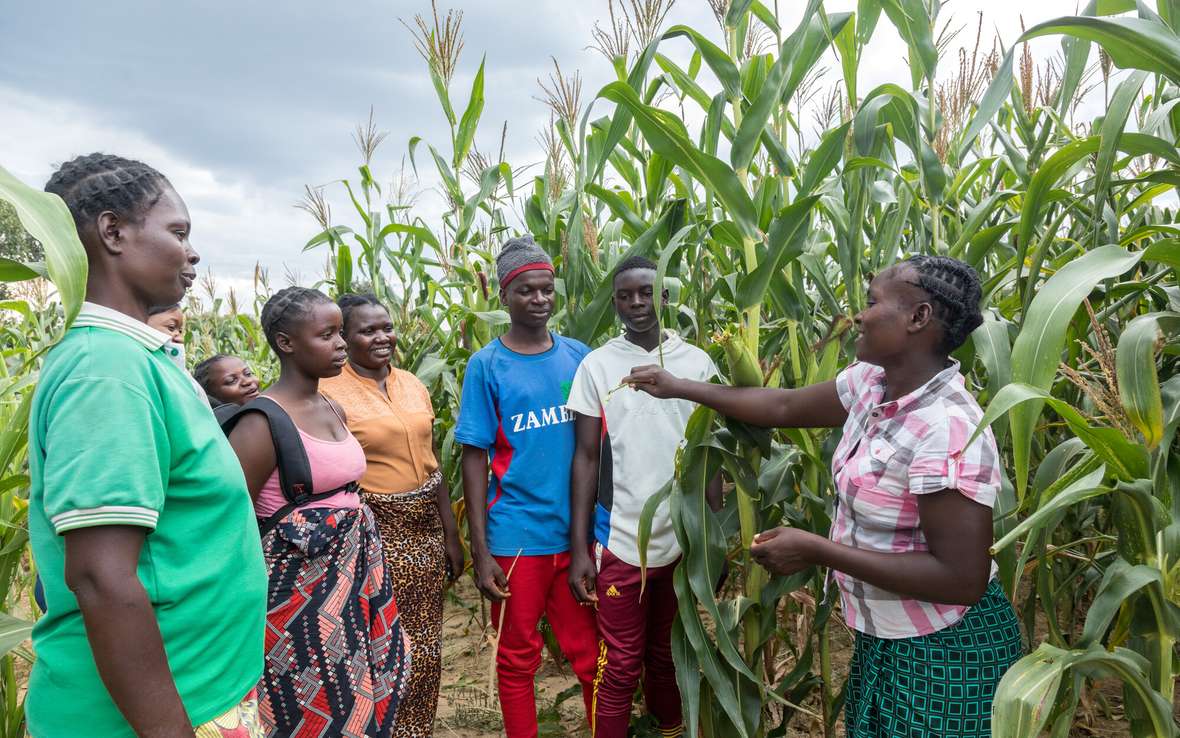
A school for farmers, and better collaboration between men and women, improve lives in southern Zambia.
Angela Chiyala’s days in rural southern Zambia begin at dawn. This mother of five divides her time between caring for her girls and husband, farming, and sewing clothes. Her garden thrives with cabbage, tomatoes, onions, corn, sunflowers, and cowpeas—a source of food and income—and community members stop by throughout the day, seeking her guidance.
Chiyala remembers a time when hunger was constant. “In the past, there was no money [and] no water; we would just look up at the sky hoping for rain,” she said.
Her life began to change when she joined a local Farmer Field School, one of more than 30 schools across the western and southern provinces of Zambia that are supported by Oxfam and its partners, including Nutri-Aid Trust, Women for Change, the Young Women’s Christian Association, and Irish Aid.
The goal of the five-year program is to build the leadership skills of women and mothers like Chiyala, and to improve the livelihoods of farmers by training them in climate-smart farming techniques. She and others learned how to improve their management of soil and crops, how to build savings, and ways to help prevent violence against women.
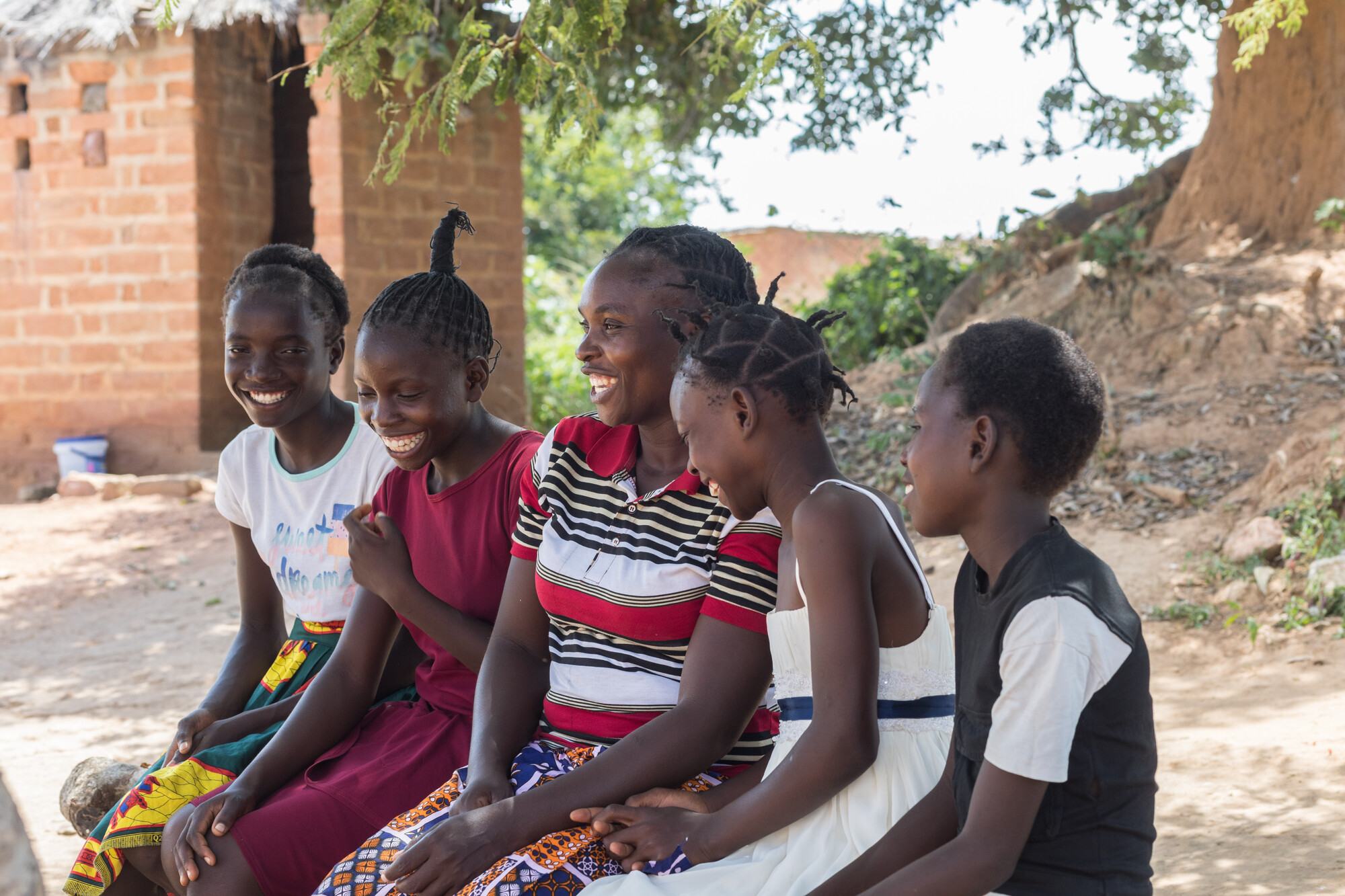
The experience changed how Chiyala saw herself and what she could achieve. “After the training, we began seeing this actually works,” she said. “Now people have food in their homes, and money is trickling into their pockets.”
Becoming a confident leader
Prior to her training in 2023, Chiyala, 38, never imagined herself as a leader. But as she gained experience, she became more confident and active. Almost a year later, her community elected her vice chair of the Farmer Field School. Today, Chiyala leads a group of 40 people—23 men and 17 women—that includes youth and elders.
The role hasn’t been without challenges. “Telling someone’s husband what to do is tricky. Even telling a headman to come and work—it’s not easy,” she says. Her age and gender led to resistance, sometimes even from other women. “There’s a lack of respect for me because I’m young. And there’s also jealousy from some of the ladies.”
But Chiyala leaned in. She turned to her mentors at Oxfam and Women for Change. “They strengthened me. They brought a register to keep track of work, and the group started to take things seriously.”
Supporting future leaders
Chiyala is now passing on what she’s learned to future generations, especially young women in the community. “After teaching them what we learned from Oxfam, they started seeing that what we are teaching actually works,” she said. Oxfam trainings, delivered in partnership with local organizations, have changed more than just farming practices and food security. They are also shifting household dynamics by empowering women and girls in rural communities. Chiyala says that collaboration between men and women is now more common.
“Before, we never used to work together with men. Now we do,” Chiyala says. “When it’s time for the garden, the man gets the spray, I carry the bucket—we go together.”
The Farmer Field School has become a source of strength and mutual support, where people can meet, learn, and share responsibility. “We remind each other every day of how things are going,” Chiyala explains. “This has brought change to people’s lives. They now understand that in life, woman deserve the opportunity and the chance to work.”
Improvements in farming and confidence have also led Chiyala to other changes at home. She never thought she could afford a sewing machine. But now, after returning from the garden, she sits at her sewing machine, making uniforms for her children and clothes for her family. What once was seen as an expense is now a skill that saves money and time. “That old way of thinking—that I don’t have enough—is gone,” she says.
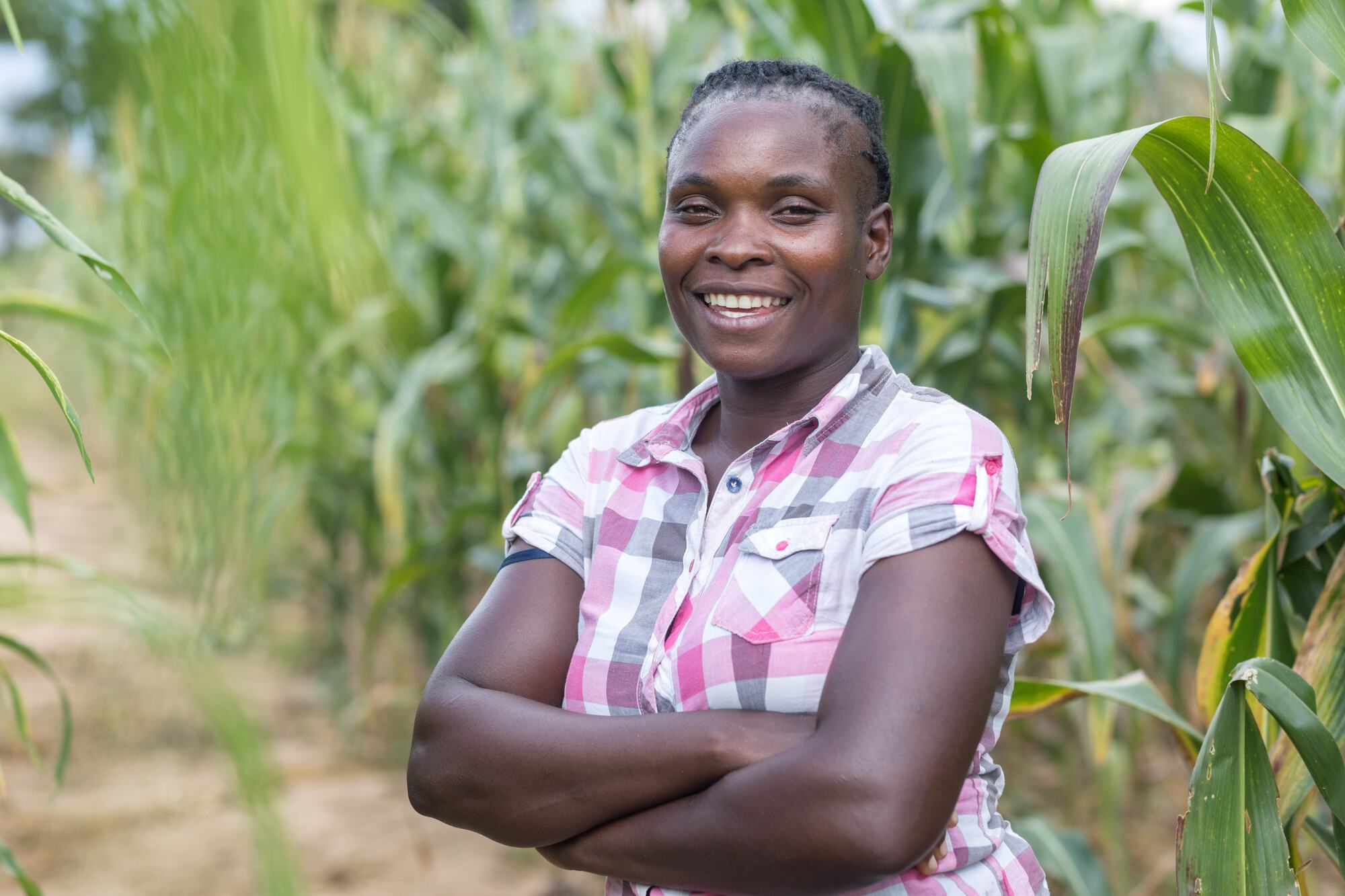
Chiyala also sees economic independence as key for women in her community and believes in planning for long-term changes. She envisions a future where women are self-reliant and active in economic and leadership roles.
“I want everyone to be busy—not wasting time. Even when I leave this position, they should still have something,” she said. Her group is working to surpass their past achievements, increase their savings, and invest in tools that can generate more income. “We want to buy a machine that presses cooking oil. We want to raise chickens [and] increase our savings.”
She points to the solar panels, water tanks, and smart agriculture training that have allowed families to withstand recent drought across Zambia.
“Had it not been for Oxfam, we would have just been looking at each other and saying hello in the streets without knowing the mind of the person and how they are,” Chiyala said. “So we are just saying thank you. We have learned a lot. Even when I die, at the end of the day, my children shall find what to do. They shall learn from me.”