An 18-month initiative to change how women are treated starts a long-term journey of gender justice.
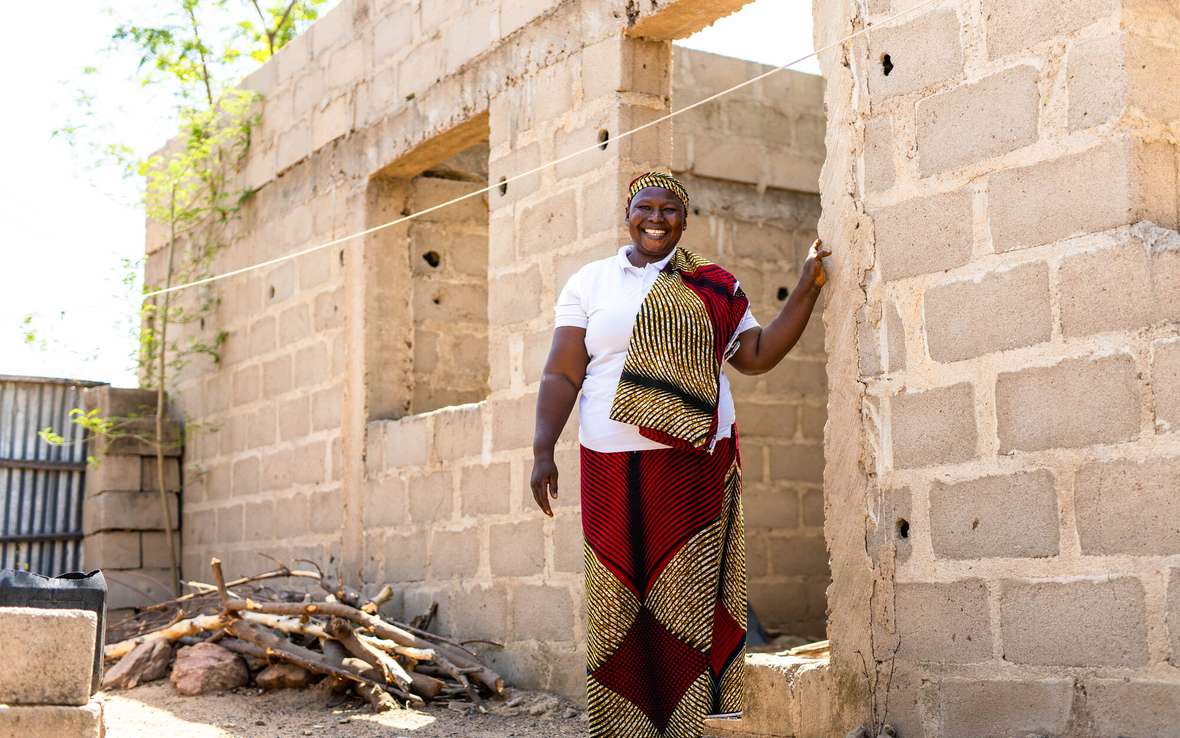
In northeastern Nigeria, small-business woman Rose Roshia is preparing to run for a position on her ward council in the upcoming elections. Two years ago, she wasn’t aware that women were eligible for political positions.
“In our community, women were always sidelined,” said Roshia. “In the past, we didn’t even know we [could] run for office.”
Attitudes began to change starting in December 2023, when Oxfam and a consortium of partners came together to implement a gender intervention in Adamawa State, where more than a decade of conflict, displacement, and economic instability had worsened already entrenched gender inequalities.
Traditionally, councils and other decision-making spaces in this region have been male-dominated and have excluded women and other marginalized groups from discussions that impact their communities. Legally, women are also kept from inheriting land, and cultural norms here dictate that women manage all domestic and caregiving responsibilities, which leaves little opportunity to pursue education or income-generating activities.
The Promoting Women’s Rights and Gender Equality project was launched in 13 wards in the towns of Guyuk and Michika with the goal of shifting societal beliefs and practices that have suppressed women’s voices. With Oxfam’s support, three local partners held conversations to educate community members on gender equality, provided financial empowerment and transformative leadership trainings for women, advocated for equality in inheritance and land rights, and engaged with community leaders to design policies, plans, and budgets with women and people with disabilities in mind.
Roshia is one of nearly 3,000 people who participated in the project. After receiving training on financial planning, savings, and business growth, she began to save money from her business selling kunu (a grain-based beverage similar to horchata) to build a house for her mother. “Here in our community, it is usually the male children that build houses for their parent,” said Roshia. “My mother does not have a son, so I decided I would take on that responsibility.” Another element of the project was a three-day training session where women politicians shared insights from their experiences. It had a ripple effect; women who attended were inspired to form leadership groups, mentor others, and teach their children what they learned.
"I’ve started mobilizing women and encouraging us to say, we too can do this,” said Roshia. “We can’t sit back and watch men do it all when we women actually make up the majority.”
Gender equality is a collective project
Men’s participation was essential to this project, which regarded men and boys as allies in the pursuit of gender equality. This approach addresses harmful notions of masculinity that can perpetuate violence and discrimination against women and girls, while also recognizing the burdens these roles place on men themselves.
Gaining support from people in leadership positions was also key to achieving inclusion in decision-making spaces. Our partners organized high-level dialogues with community leaders, traditional rulers, government officials, and civil society actors that allowed for examination of harmful norms, such as early marriage, denial of land rights to women, and domestic violence. The project also trained 400 government and traditional leaders to be agents of change through intensive workshops.
Yerima Ibrahim Ahmad, district head in Michika, reflected on his training: “We have now seen there is a need for local government to make a law that would allow for women to be given the right to land inheritance.”
Change starts at home
Moses Alagu, project officer at the Christian Rural and Urban Development Association of Nigeria (CRUDAN), said that an analysis at the beginning of the project showed that household chores were being executed solely by women. By the end of the project, men had started taking on at least four hours of unpaid care work per day.
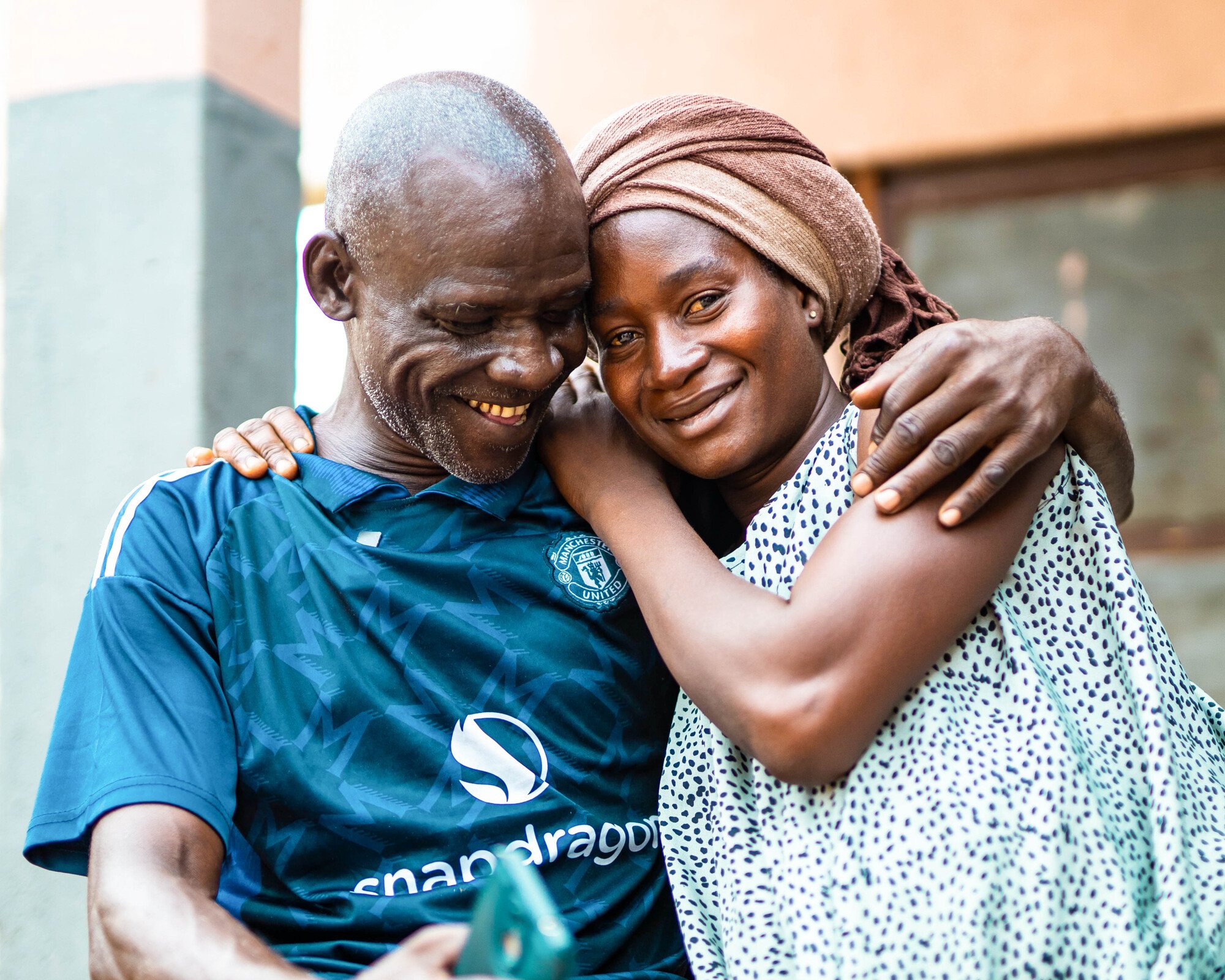
Ibrahim Musa had firm ideas about the roles men and women should play in the household. “Before the gender program was introduced, my wife did all the domestic work on her own,” said Musa. “If she chose not to cook, I would go out and get myself something to eat while she slept on an empty stomach.” His training taught him to question whether only women should be responsible for cooking, cleaning, and caretaking—norms that society taught him and were modeled by his parents. “I didn’t know I was in the dark,” Musa said.
His wife, Grace Ibrahim, says his behavior shifted once he started taking notice of all the work she had to do at home.
“Now he fetches water, washes, and even cooks for me,” said Ibrahim.
Musa is teaching his children that everyone has a role to play in household work, regardless of gender. He also leads community dialogues on gender roles, gender-based violence, and women’s rights. “When we empower women, we empower communities,” he said.
The gender equality project concluded in May 2025, but Adamawa State is not done with its journey of gender transformation. The Honorable Neido Kufulto, commissioner for the Ministry of Women’s Affairs in Adamawa State, said the government is determined to continue the work project because of the positive impacts it has had on the entire region. “We are thankful to the organizations for bringing this project to Adamawa State,” she said. “We have accepted this project to be our own, and we plan to sustain it.”