Search
Your search for '"system of rice intensification"' returned 5121 results (Page 506/512)
-
Oxfam and Human Rights Watch submit this memorandum in response to NSM-20, which establishes that the United States Departments o
-
By providing decent work to all who seek it, a federal jobs guarantee could reduce poverty and ineq
-
Publication
Oxfam Closeup, Fall 2025
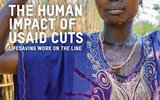
The human impact of USAID cuts
-
Publication
US Tariff Wars and Inequality

This discussion paper explores the nature and consequences of new US tariffs and trade policy in 2025 – in particular their inter
-
Publication
Oxfam Impact September/October 2006
Rebuilding the Gulf Coast: A Year Later
-
Publication
R4 Rural Resilience Initiative
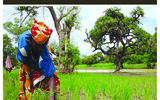
Quarterly report | April - June 2014
-
Aid donors increasingly seek to inject private-sector resources into development by ‘blending’ official development assistance (ODA) with private finance. There is little evidence of the development impact, and projects often do not align with country ownership, transparency and accountability. It is not always clear whether ODA subsidies are necessary. Blending could support pro-poor projects, such as easing credit constraints for small- and medium-size enterprises. At a minimum, donors must subject blending projects to development effectiveness principles.
-
Publication
OXFAMExchange, Winter 2012

What if development took the kind of time and commitment it takes to raise a child? (It does.)
-
Person
Lilian Nkengla-Asi

Lilian Nkengla-Asi is a Senior Advisor for Agriculture and Markets at Oxfam America, where she is engaged in strategic program pl
-
The New York state legislature has a unique opportunity to pass legislation that would help combat poverty in debt-burdened countries, stabilize the economy, and benefit taxpayers.