Search
Your search for '"system of rice intensification"' returned 5125 results (Page 149/512)
-
Politics of Poverty
How should we feel about Mother's Day?

In anticipation of Mother’s Day on May 14, we convened a group of women at Oxfam who have expertise around gender, care, and labor policies—as well as feelings about being a woman in the world today. It was a fascinating and illuminating conversation about a holiday with deep, complicated, and emotional roots.
-
Politics of Poverty
Why are Black women working so hard, and being paid so much less? And what can we do about it?

Each year, we mark gender pay gaps in the calendar. In 2021, August 3rd marks Black Women’s Equal Pay Day, when we note that Black women are paid 63 cents for every dollar paid to white men. Given that Black women do vital jobs, support families, and participate in the labor force in greater proportion than other women, what is going on?
-
12 days since land, air and seaports in Yemen were closed, Oxfam and other aid agencies are appalled by the complacency and indifference of the international community regarding the historic humanitarian disaster now unfolding.
-
Press release
Oxfam Reaction to 2025 Global Report on Food Crises: Oxfam warns of “a world veering off course, starving by design”

Today’s "2025 Global Report on Food Crises</
-
Politics of Poverty
Our snacks should not come with a side of deforestation & exploitation. A few tips for companies to make it so.
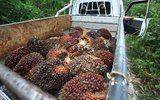
In order to drive genuine sustainability in commodity sourcing, companies need to not only focus on the conservation of forests and peatlands, but also address the human dimension of sustainability.
-
Politics of Poverty
Achieving a living income for small-scale farmers requires changes at all points of the food supply chain (and beyond)
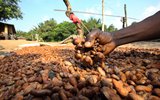
As global food supply chains span across the world, it’s incumbent on food and agriculture companies to ensure that people who produce the food we eat are able to earn a living income. A new report from Oxfam explores how companies can do better to support farmers and their families.
-
Transparency in international aid is not just about fulfilling a requirement based on people’s right to access information, but also about making aid more effective. Transparency can help improve coordination and planning, enable accountability, and build trust. Accomplishing these goals can be a challenge when there are many partners involved in channeling funds through a complicated web of service delivery without clear public information explaining who did what where.
-
The Saudi and UAE-led Coalition has intensified its assault towards Hudaydah’s city and port, with already devastating consequences for civilians. Despite their assertions, international actors should not believe that this can go on without disproportionate harm to civilians, or with any confidence that it will bring Yemen’s conflict to an end.
-
Final Evaluation of Disaster Risk Reduction and Preparedness projects (2017-2020) in the communities of the Philippines, Solomon Islands, Vanuatu, El Salvador, Nicaragua, and Guatemala.
-
Nyal, South Sudan, was once a quiet town. Two years of extended fighting in the surrounding areas however, has forced thousands of people to seek refuge in the town and the islands surrounding it.