Our principles are informed by this forthcoming research and Oxfam’s eight decades of humanitarian and development work. They show how the U.S. can support a global aid system that is more effective, accountable, and responsive to the people it is meant to serve.
1) End transactional aid—and prioritize serving the interests of those most in need
Aid should respond directly to the needs of people affected by poverty and injustice. It should not be used to secure short-term political concessions, as evidenced in a recent U.S. deal to tie $2 billion in health assistance to access to critical minerals in Zambia. This is important as donor budgets shrink, and global needs continue to grow.
- Humanitarian aid must be provided impartially, according to need.
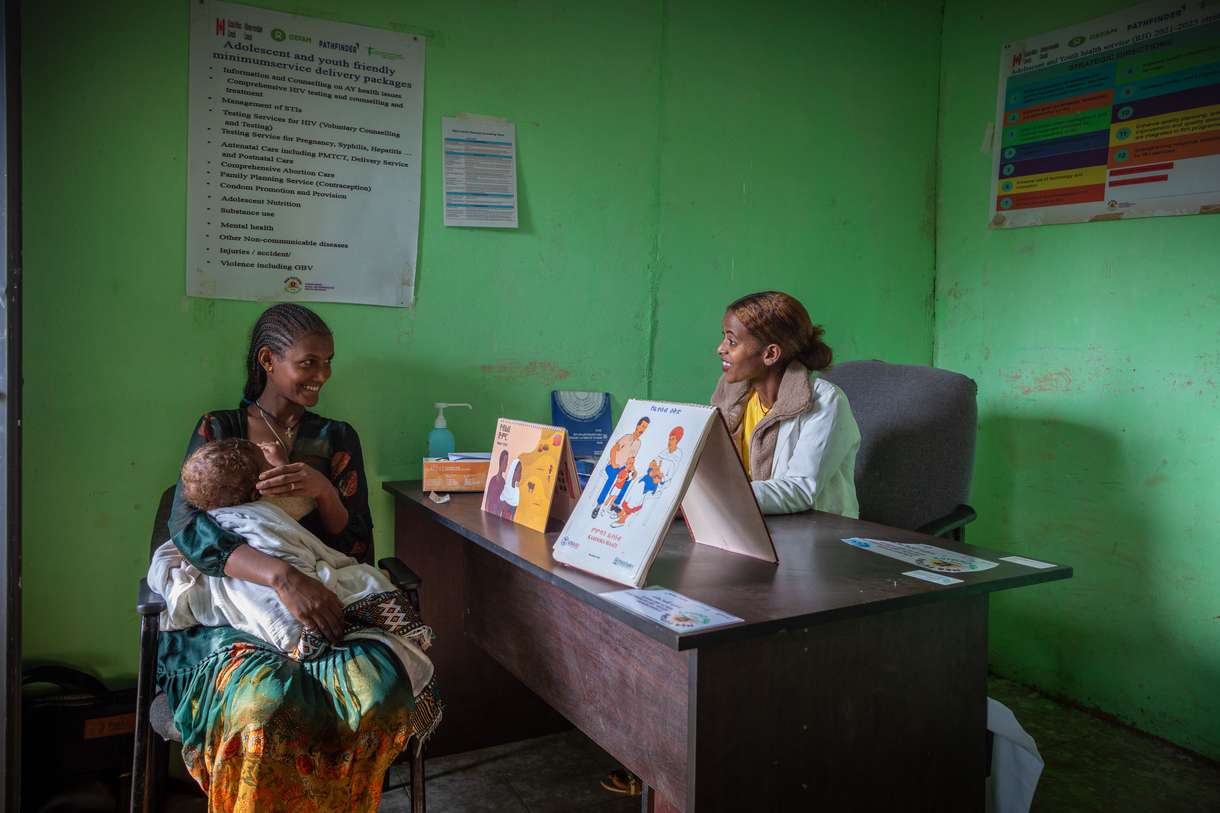
- Women’s rights organizations and those representing marginalized populations must be central to these decisions. They are disproportionately affected by disasters and often excluded from the systems that determine who is protected and who receives assistance. Centering their knowledge and capacities improves both the quality of humanitarian response and the fairness of who benefits.
- Development assistance should likewise prioritize specific country needs and long-term progress, with attention to people who are marginalized or excluded from essential services.
When aid is grounded in need, it can reduce suffering and inequality while contributing to a safer, healthier, and more stable world.
2) Harness aid to strengthen organizations and institutions at the local and national level, including local leaders
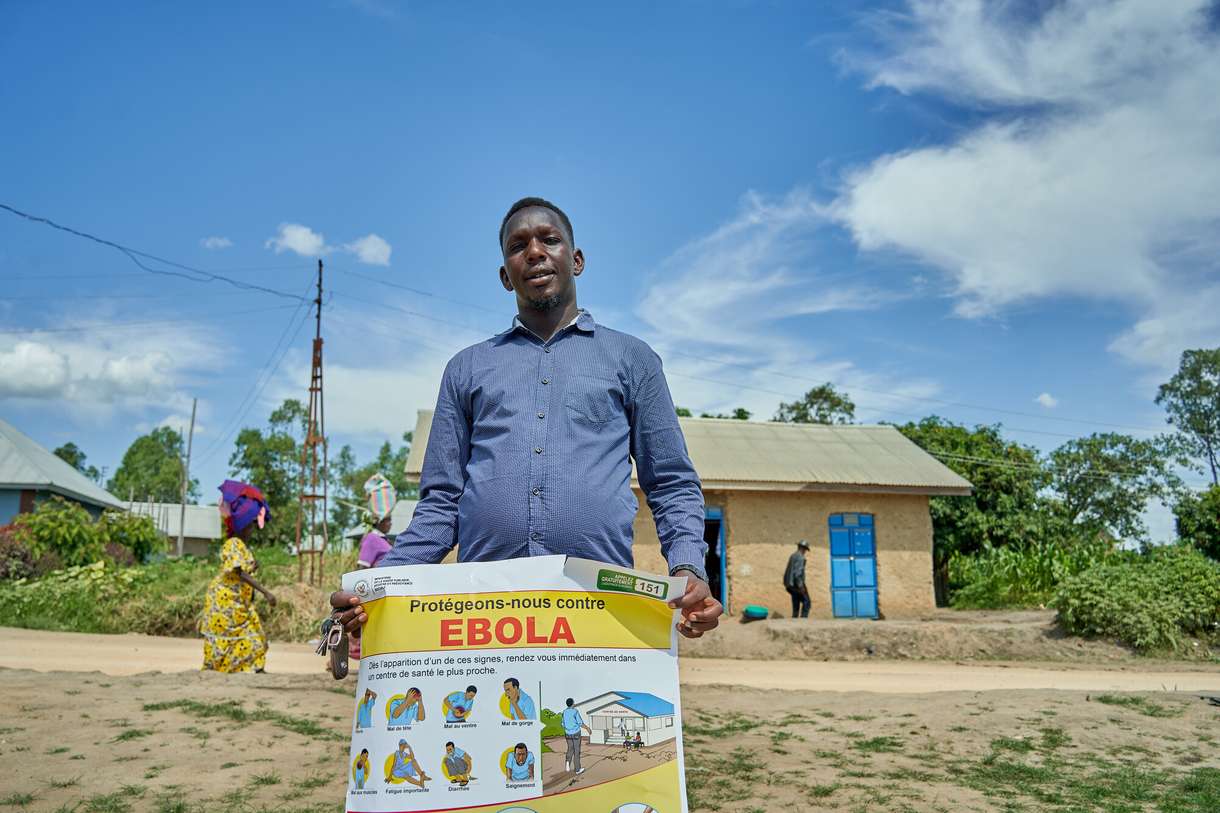
People affected by poverty and injustice have the right to shape the decisions that affect their lives. When disaster strikes, local organizations and community leaders are the first to respond, and they remain long after international responders leave. They understand local risks, institutions, and priorities, making their leadership essential not only to emergency response but also to preparing for and recovering from crises.
- U.S. foreign assistance should support priorities identified by national and local actors, as well as provide resources to partner governments and local organizations rather than solely relying on international NGOs.
- Aid can support national governments to provide and manage public resources, raise revenue, as well as invest in health, education, and preparation for future crises.
- Civil society organizations must also have the resources to reach people who public institutions may exclude.
Shifting power means more than directing additional funding to local organizations. It means giving national and local actors authority to set priorities, manage resources, and adapt for durable, long-term impact.
3) Invest before, during, and after crises
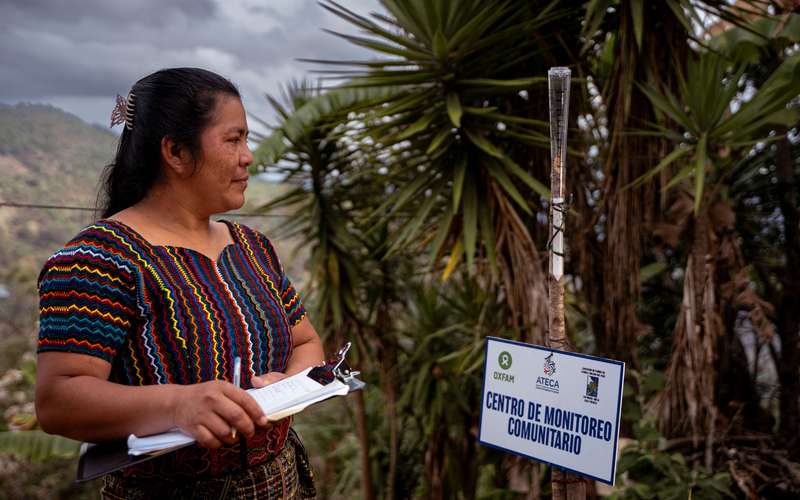
The most effective aid doesn't begin after a disaster strikes. By investing in early warning systems, climate adaptation, and community preparedness, aid can help people reduce risks, protect livelihoods, and save lives before a crisis becomes a catastrophe.
- Aid should provide local actors with funding and meaningful authority to assess risk, coordinate responses, and lead long-term recovery.
- International organizations still have an important role, but that role should be to provide support, share expertise, mobilize resources, and help remove barriers.
4) Provide more flexible funding
Aid funding has been overly restrictive, making it harder for U.S. foreign assistance to support countries and their long-term development goals.
- Development assistance funding should more closely mirror humanitarian assistance in its flexibility. That means these critical resources could be used to implement long-term development plans aligned with countries’ needs to address the greatest constraints to countries taking over their own development.
- For example, U.S. foreign assistance should work with national governments on the issue of debt relief. Today, many countries face a stark choice: pay creditors or invest in their people. When governments must direct billions toward debt payments, they have fewer resources for health care, schools, social protection, and climate preparedness. That makes it harder to reduce poverty, respond to crises, and build long-term economic stability.
5) Build toward a more equal future in which aid is no longer needed
The goal of development assistance should not be to fund the same activities indefinitely. It should help countries finance their own priorities and withstand future shocks with less dependence on aid.
Aid succeeds when communities and countries have greater power over their futures and when the need for outside support declines because inequality and poverty have declined, not because donors have walked away.
Oxfam is leading the way to help make these principles a reality. Learn more about our local humanitarian leadership work, how we are helping communities anticipate crisis before disasters strikes, and how women’s leadership is a central part of our vision for the future.