

As a looming "super" El Niño threatens millions, climate inaction is worsening humanitarian crises, says Laurel Pegorsch, Oxfam America's Senior Advisor for Climate Justice.

The failure of world leaders at this year's COP31, the United Nations' climate change conference, to reach an agreement on averting catastrophic climate change is more than a diplomatic breakdown, though it is certainly that.
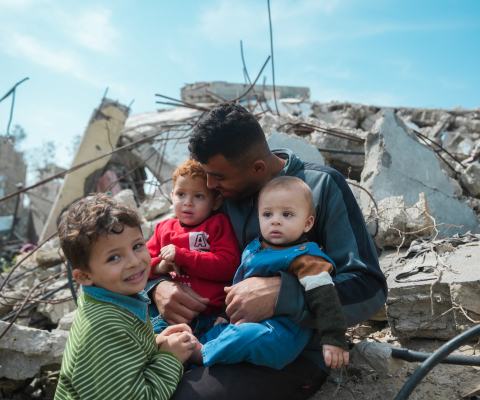
It's a failure with real-world consequences for people already facing disasters, hunger, displacement, and worsening climate extremes.
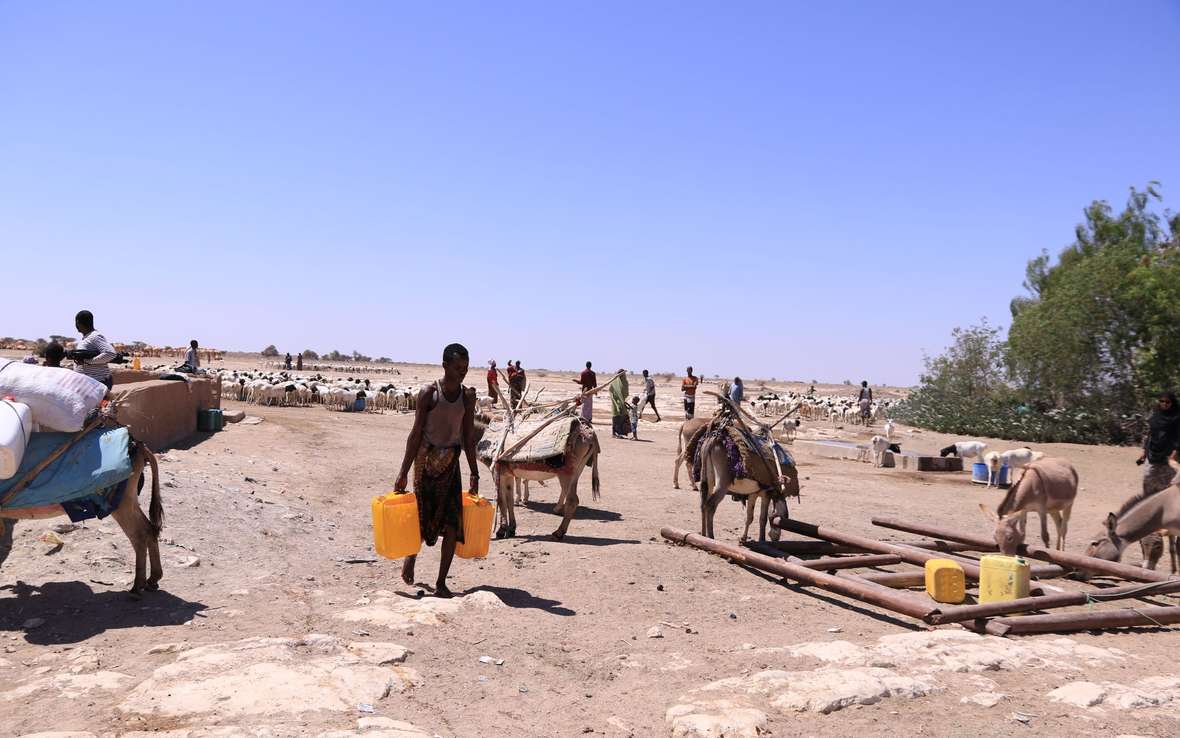
As governments left Türkiye without recognizing fossil fuels as the primary driver of climate change, a strengthening "super" El Niño is set to bring heatwaves, floods, and droughts that will destroy crops, spread disease, and cost lives in the months ahead. According to the World Food Programme, the number of acutely food-insecure people across 45 countries could rise by 50 million by the end of 2027.
The same people who will bear the greatest costs are those least responsible for causing the crisis. Working in the humanitarian sector, I’ve seen climate change increasingly turning hazards into humanitarian emergencies. Yet emergency response alone cannot keep pace with growing needs, nor address the inequalities and vulnerabilities that make communities more exposed in the first place.
We must hold rich, polluting countries accountable. As the world’s largest historic emitter, the United States bears an outsized responsibility for the harm it has caused.
The U.S.' withdrawal from the 2015 Paris Agreement was not only shameful, but a retreat from our shared responsibility to support investments in locally led adaptation, preparedness, and disaster risk reduction, further deepening a profound injustice. Investing in early warning systems can help people reduce risks and save lives before crisis becomes a catastrophe.
COP31's failure exposes the widening gap between climate science, political action, and the realities facing communities on the frontlines.
The question is not whether the next climate shock is coming. It is whether those with the greatest responsibility and resources will act before the next disaster becomes the next humanitarian crisis, and whether we make our demands loud enough, so they do.
