 Story
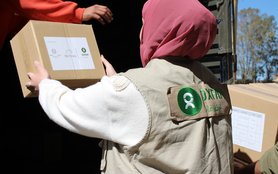
StoryWhat is happening in Lebanon?
Escalating conflict in the Middle East is again creating a humanitarian crisis in Lebanon.


Help save lives in more than 75 countries. All gifts multiplied 5X!
All too often, poor communities have too few resources to respond to disasters and even fewer to rebuild. That’s wrong. We believe all people deserve to live safely.
StoryEscalating conflict in the Middle East is again creating a humanitarian crisis in Lebanon.
 Story
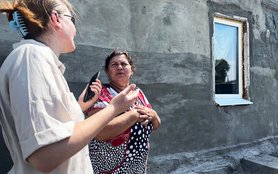
StoryUkrainian organizations are assisting people with help from Oxfam to endure the war’s harshest blackouts.
 Story
StoryMore than one year since massive foreign aid cuts and the eventual closure of the U.S. Agency for International Development, Oxfam outlines what USAID did and the ripple effects of losing it.
 Story
StoryHere’s how you can help people in Gaza recover from the conflict.
 Story
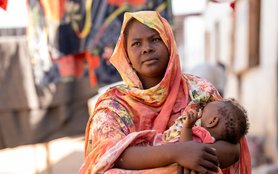
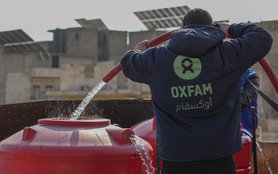
StorySyria ended a 14-year civil war last year, but the humanitarian crisis continues. Here’s what is happening in Syria, and what you can do to help people recover from the conflict.
 Story
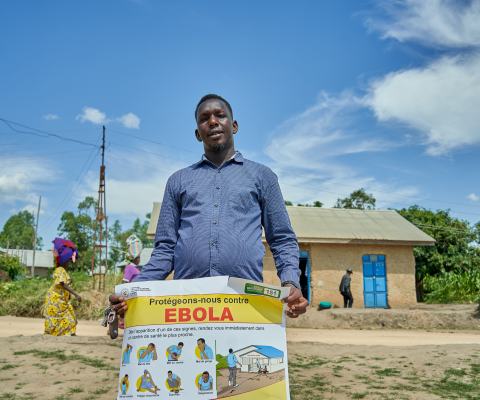
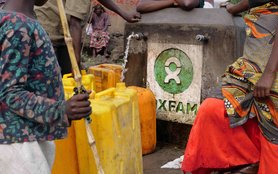
StoryOxfam’s CEO and President Abby Maxman shares her experience traveling to DRC, where crisis and conflict have been exacerbated by cuts to humanitarian assistance.