What Oxfam is doing

When a massive earthquake struck Haiti in January, 2010, it shone a spotlight on the need to ease the dangerous overcrowding of the capital city of Port-au-Prince. After responding to the disaster with emergency programs, we have now shifted our focus to longer-term development and to promoting sustainable change.

Last updated January 10, 2013

When a massive earthquake struck Haiti in January, 2010, it shone a spotlight on the need to ease the dangerous overcrowding of the capital city of Port-au-Prince. After responding to the disaster with emergency programs, we have now shifted our focus to longer-term development and to promoting sustainable change. We are:

  • working in communities rather than camps;
  • identifying and engaging with Haitian organizations as partners in initiatives to strengthen citizen participation;
  • supporting employment creation through development of small enterprises;
  • building stronger and safer neighborhoods by supporting the construction of long-term sanitation services.
  • Growing rice in Haiti

    With local partners, we ramped up our program to reinvigorate the rice economy of the Artibonite Valley, with the goals of reducing rural poverty, contributing to food security in Haiti, and—by making rice farming more viable, counteracting the continuous pull to migrate from the country to the city. The rice program, which we implement through local partners, is multi-faceted and includes:

    • introducing the system of rice intensification (SRI) to improve yields,
    • organizing cash-for-work programs to clear and repair irrigation channels,
    • providing equipment to cultivate soil and mill rice,
    • training mechanics to ensure that equipment will not fall into disrepair,
    • providing women rice farmers with access to low-interest loans to help them become successful entrepreneurs,
    • supporting vegetable cultivation,
    • training partners to create organic compost to replace chemical fertilizer, and more.
  • We are also advocating with the government and other national and international stakeholders for agricultural and trade policies that support rather than undermine the country's farmers.
  • Disaster risk reduction

    These longer-term development activities work in concert with our humanitarian efforts. For instance, clearing irrigation channels serves the dual purpose of enabling rice farming and reducing flood risks. Oxfam has continued to help Haitians reduce the risk of disaster by creating 24 local and communal protection committees and facilitating 32 committees for training on disaster risk reduction.

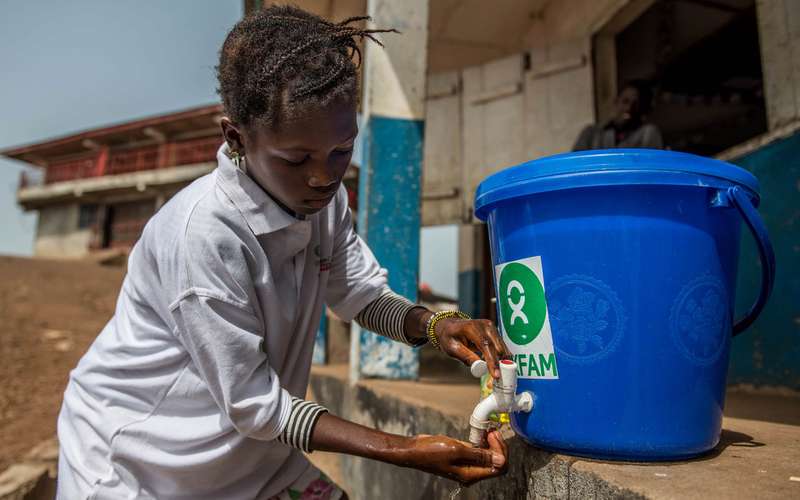
  • And we’re continuing to respond to the cholera outbreak by providing clean water and sanitation services, offering public health education campaigns, and distributing hygiene kits and oral rehydration salts.
Document Actions
Emergencies
Get involved

Join our online community

Learn more


Stay connected


Emergency action

Emergencies—and how we respond to them—can be catalysts for social change.