Disaster risk reduction

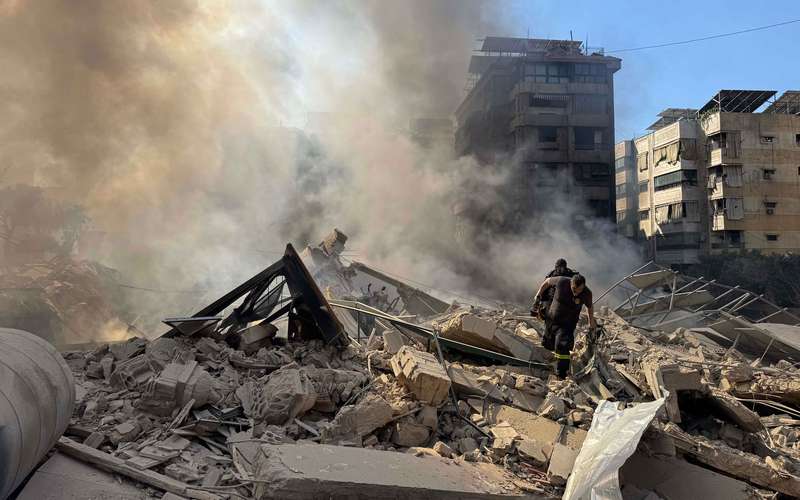
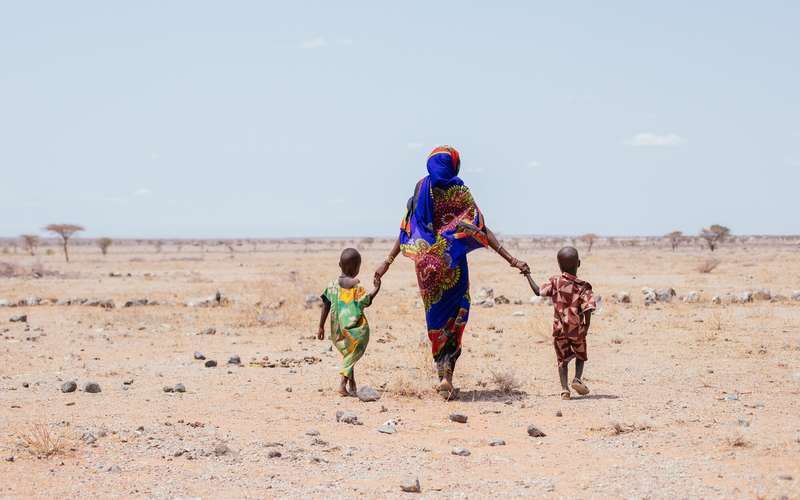
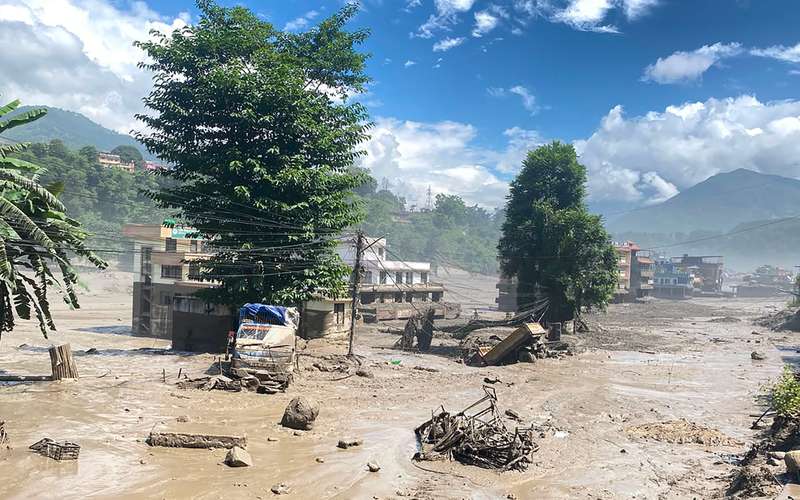
Responding to disasters when they occur is a crucial part of Oxfam's humanitarian mission. But finding ways to help communities prepare for emergencies and prevent natural events from becoming full-scale disasters is at the cutting edge of our humanitarian work.

"We cannot say that disasters are natural. Some physical events are natural, such as landslides, tornadoes, earthquakes, drought, hurricanes, etc. But the effects of these events are not natural; they are built on social practices... If we accept this, we are also accepting that disasters can be prevented." —Luis Romano of the Humboldt Center, an Oxfam partner in El Salvador

'We are prepared'
In Peru’s biggest city, where earthquakes are a constant threat, Oxfam helps women and young people learn how to protect their families.
R4 Rural Resilience Initiative: Partnership for resilient livelihoods in a changing climate
Oxfam America and the World Food Programme launch a partnership for resilient livelihoods in a changing climate.
Horn of Africa Risk Transfer for Adaptation (HARITA) quarterly report: July 2011–September 2011
Rural resilience series
Saving lives, seeking solutions
Oxfam America's response to drought in Ethiopia, 2008-2011
Horn of Africa Risk Transfer for Adaptation (HARITA) quarterly report: October 2010–December 2010
Rural resilience series
Horn of Africa Risk Transfer for Adaptation (HARITA) quarterly report: July - September 2010
In this report we share detailed information on the results of this second annual offering of weather insurance, integrated into the government's social safety net for the most vulnerable populations in drought-prone Ethiopia.
A fresh look at the green economy
Jobs that build resilience to climate change
From the ground up
Strategies for scaling up community-based disaster risk reduction
Impact of climate change on response providers and socially vulnerable communities in the US
Federal disaster programs, plans, and policies seldom address climate change or social vulnerability. Homeland security policy could be revised to accommodate climate change impacts on socially vulnerable populations.
Now we know
A collaboration between local citizens’ committees and officials in Peru shows how communities can create lasting change by holding governments accountable.
HARITA progress report: Jan 2010 - Jun 2010
Rural resilience series
HARITA Project Report: Nov 2007 - Dec 2009
Rural resilience series
Collaboration in Crises
Summary report: Lessons from the Oxfam International tsunami research program
More research
How to make a difference on campus
Students, are you ready to take action? Find tips for starting and running an Oxfam Club at your high school or university, ideas for campus events, and much more.
How to fundraise for Oxfam: Frequently asked questions
Community-driven efforts like yours provide essential support for fighting poverty and responding to disasters worldwide. Check out these questions and answers to help you get started.
How to host a house party
A house party is a fun way to take action with friends and family. This guide includes everything you'll need to plan a successful event.
How to get started: A menu of ideas
Want to do something to fight poverty and hunger, but don't know where to start? Explore this list of time-tested action ideas for individuals and groups.
More tools for activists
A new way of life on the Dawa
Drought is making it difficult for herding families in southern Ethiopia to earn a living from their livestock. Some people have decided to try a new approach: irrigated farming. And they are tapping the Dawa river for water.
R4: The Rural Resilience Initiative
Oxfam America and the UN World Food Programme launched the R4 Rural Resilience Initiative to empower rural households with integrated risk management tools.
A new tool for tackling poverty
Using labor to pay for their premiums, poor farmers in Ethiopia earn a measure of security.
More multimedia

Features Subscribe | View All

Food-for-work program allows families in El Salvador to recover from disaster

Food-for-work program allows families in El Salvador to recover from disaster

Oxfam, together with five local organizations and the World Food Programme, helped communities recover while they prepare.

Read more

Counting on the rain to continue—or weather insurance to help cover losses

Counting on the rain to continue—or weather insurance to help cover losses

For Ethiopian farmer Gidey Mehari, when the opportunity to buy weather insurance for his crops arose, he jumped at the chance.

Read more

Doubling his weather insurance, this Ethiopian farmer is happy for the security it provides

Doubling his weather insurance, this Ethiopian farmer is happy for the security it provides

"Anything can happen," says Alemu Tadesse. And that's why he is investing in weather insurance for some of his crops.

Read more

Business partnership promotes resilience and environmental preparedness

Business partnership promotes resilience and environmental preparedness

PREP is a partnership formed to address the risks and opportunities climate change poses to businesses and communities.

Read more

With insurance, loans, and confidence, this Ethiopian farmer builds her resilience

With insurance, loans, and confidence, this Ethiopian farmer builds her resilience

Selas Samson Biru is using her entrepreneurial spirit--and the security she has from her insurance--to build a more secure future for her family.

Read more

“It’s time we learned this lesson”

“It’s time we learned this lesson”

One year after the worst flooding in its history, Pakistan is still not prepared for this year’s monsoon floods and other natural disasters.

Read more

Oxfam's cash-for-work projects help rural Ethiopians get through drought

Oxfam's cash-for-work projects help rural Ethiopians get through drought

By constructing fences, trenches, and dams that protect pasture and farmland, some Ethiopians have been able to earn a steady income for weeks at a time.

Read more

Weather insurance offers Ethiopian farmers hope—despite drought

Weather insurance offers Ethiopian farmers hope—despite drought

For the first time, poor farmers can now buy insurance for teff, a staple grain that feeds their families.

Read more

Along the coast of El Salvador, families take steps to cope with climate change

Along the coast of El Salvador, families take steps to cope with climate change

Oxfam and other aid groups is working with local activists to bring issues to the attention of the Salvadoran government.

Read more

Improving the wells improves community health in flood-prone parts of El Salvador

Improving the wells improves community health in flood-prone parts of El Salvador

Capped wells lined with a volcanic-rock filter provide families in Salvadoran communities with clean drinking water.

Read more

Forecasting a better future

Forecasting a better future

The progress of a village in India that participated in a study on rainfall illustrates the value of research in helping farming communities adapt to climate change.

Read more

The perfect knowledge for survival

The perfect knowledge for survival

Focusing first and foremost on villagers' own traditional knowledge, researchers from two Oxfam partners in Sri Lanka, undertook a study aimed at helping communities create effective disaster contingency plans.

Read more

Your neighbor's voice: reducing vulnerability to disasters through community radio

Your neighbor's voice: reducing vulnerability to disasters through community radio

A new research center in India develops pilot programs on risk reduction to complement ongoing development work aimed at reducing poverty.

Read more

Taking it into the heart: reducing disaster risks through song and dance

Taking it into the heart: reducing disaster risks through song and dance

A new center in India develops pilot programs on risk reduction that complement ongoing development work aimed at reducing poverty.

Read more

New ways to cope with flooding along Sri Lankan river

New ways to cope with flooding along Sri Lankan river

In the aftermath of the tsunami, some of Oxfam's research initiatives focused on issues of particular concern to women.

Read more

For architect, supporting the poor is best kind of building

For architect, supporting the poor is best kind of building

Indira Aryarathne of the Institute for Participatory Interaction in Development investigated the role of women in disaster risk reduction programs in Sri Lanka.

Read more

After the China quake: Rebuilding schools, reducing risks

After the China quake: Rebuilding schools, reducing risks

By providing temporary, earthquake-resistant schools, Oxfam will help restore education and a sense of normalcy to the lives of children in the quake-stricken area.

Read more

Oxfam finds some local solutions to food crises

Oxfam finds some local solutions to food crises

In Gambia, Pakistan, and Niger, Oxfam and its local partners have responded to food shortages with tools adapted to local conditions.

Read more

Prone to fierce storms, Bangladesh works to improve its preparedness

Prone to fierce storms, Bangladesh works to improve its preparedness

A native of Bangladesh, Latif Khan has lived through many cyclones—and has spent much of his professional life working on ways to help prevent the death and destruction they can cause.

Read more

» More stories «
Document Actions
Emergencies
Get involved

Join our online community

Learn more


Stay connected


Emergency action

Emergencies—and how we respond to them—can be catalysts for social change.