What Oxfam is doing

Oxfam works through local partner groups around the world to ensure that women have equal access to the solutions that can help them overcome poverty. We help women claim their legal rights, live free from violence, earn a decent income, get an education, become entrepreneurs, and make their voices heard in their community.

Of course, any examination of gender roles must include men as well as women. Oxfam works closely with both men's and women's groups to promote women as equal partners in community development, and to encourage local leaders to recognize women's contributions.

Programs promoting women's equality

Prevention of gender-based violence

In El Salvador, Oxfam joined four other organizations on a campaign to address violence against women. The campaign raises public awareness, educates elected officials, calls for expanded legal protections for women, and trains both men and women to be advocates for women's rights.

Protection during conflicts

In the volatile Darfur region of Sudan, Oxfam and a local partner group launched a program to help thousands of displaced women stay safer by providing 4,200 households with fuel-efficient stoves. By burning wood more efficiently, women can cut down on the number of risky trips needed to collect wood outside the camps.

Legal reform

Oxfam and partners won a landmark legal victory in 2003 when the National Assembly of Mozambique passed a new Family Law that secures a broad range of rights previously denied to women. A coalition of women's groups now teaches Mozambican women about their rights under the new law and ensures its implementation at the community level.

Savings and lending groups

Oxfam's Saving for Change program provides financial services to over 180,000 poor people in four countries, with an emphasis on reaching women and those living in rural communities. Women members in countries like Mali and Cambodia have used loans from the program to start their own small businesses.

Disaster preparedness

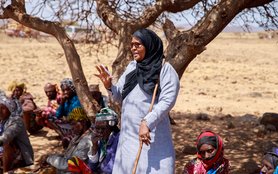
Oxfam ensures that women are included equally with men in disaster preparedness training, which helps improve their survival rates. Women often have invaluable knowledge about adapting to erratic environmental changes, including those caused by climate change. For example, in a joint project between Oxfam and the Harvard Health Initiative, local women in Ethiopia administer a surveillance system that helps anticipate needs before droughts hit.

Document Actions