Background
Since the fall of the Taliban in 2001, some progress has been made in Afghanistan, such as in health and education. Yet overall progress has been slow and security conditions toward the end of 2008 were worse than at any point since 2001. Afghanistan remains one of the poorest countries in the world where one out of every five Afghan children dies before reaching a fifth birthday and the average life expectancy is 45 years of age.
Continuing conflict and insecurity, damaged infrastructure, severe drought, increased food and fuel prices and endemic corruption present huge challenges for all Afghans. Only half of all children go to school, and the figure is considerably lower for girls. Only one in five girls attends primary school, and only one in 20 goes to secondary school.
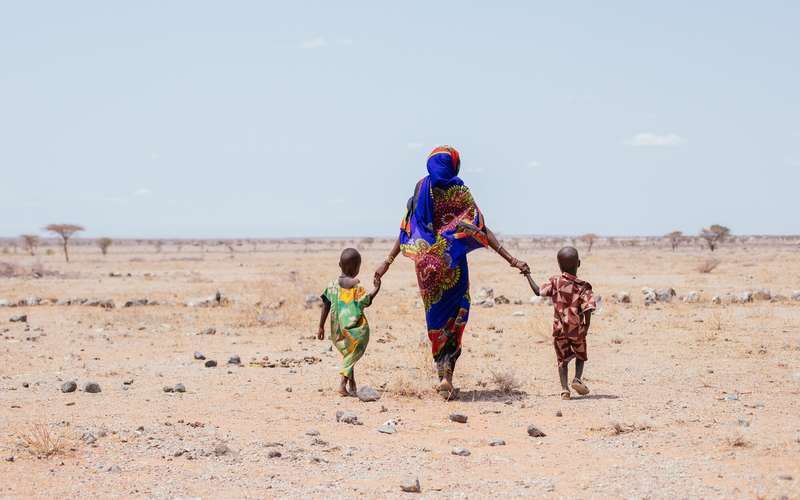
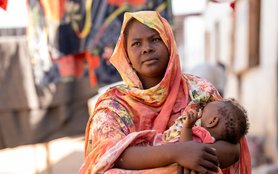
At the close of 2008, up to five million people faced food shortages and malnutrition was stalking more than one million young children and half a million women. About 80 percent of Afghans depend largely on agriculture to feed their families, but the government has limited ability to support small farmers and respond to spiraling food prices and persistent drought. Lack of access to adequate food is one of the major factors contributing to the country’s high mortality rates particularly among the youngest.
Foreign aid is providing vital assistance to Afghans, but much of the aid is over-centralized, has not brought needed change in the countryside, and in large part is being allocated to the southern provinces which host international forces.
Oxfam has been working in Afghanistan for nearly 20 years and supporting partner organizations in all but two of the country’s 34 provinces.


Follow us online