Background
When a devastating earthquake hit Haiti in January 2010, the consequences reached far beyond the destruction in the capital of Port-au-Prince, where many government buildings collapsed and hundreds of thousands of people were left homeless. Within months, an outbreak of cholera swept the country, confronting the hobbled government with a new and deadly problem with which it continues to grapple today.
Last updated January 10, 2013
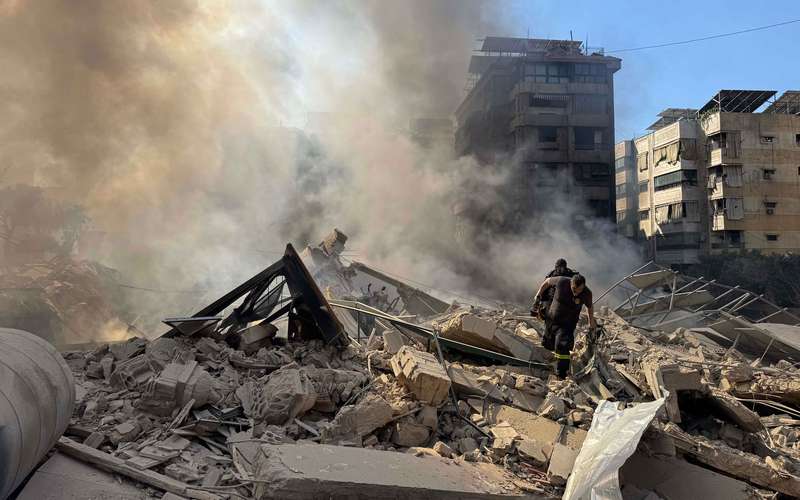
On January 12, 2010, the most powerful earthquake to strike in 200 years hit Haiti, killing more than 220,000 people, injuring more than 300,000 others, and leaving 1.5 million homeless.
Compounding the quake’s severity was the destruction of or damage to most of the ministry and public administration buildings in the capital—Port-au-Prince—including the Presidential Palace, parliament, and law courts. The country also lost more than 20 percent of its civil servants in the disaster.
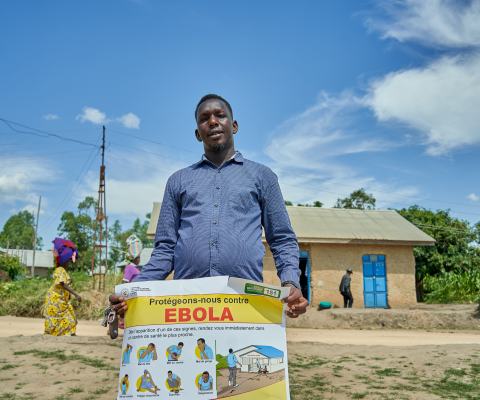
Then, in October 2010, a second emergency hit: cholera. A waterborne disease that can kill within hours, it soon spread across the country, its march hastened by Haiti’s poor infrastructure. Since the start of the outbreak, about 632,000 cholera cases have been reported and more than 7,600 people have died.
Thanks to the determination of the Haitian people and their government, and the generosity of the public and governments around the world, progress has been made. As of January 2013, the number of internally displaced people living in camps is down to 358,000. Nearly all the rubble has been cleared from the streets of Port-au-Prince, and there has been some construction of houses, roads, and businesses. The government’s relocation plan has also helped more than 53,000 people move from the camps back into neighborhoods.
But much remains to be done as the country works to rebuild and overturn decades of neglect. Haiti and its 9.6 million citizens are plagued by political instability and their economy remains vulnerable to international price fluctuations, especially on food imports. And repeated emergencies have dealt setbacks. In 2012, tropical storms Isaac and Sandy destroyed 25 percent of the national agricultural production, worth $254 million dollars, leaving farmers with little to survive on until the next harvest in May 2013. According to the United Nations, more than one million Haitians are in need of humanitarian aid. This includes the people still in camps, a further 500,000 people who do not have enough food to eat, and around 73,500 children under five years of age who are facing malnutrition.
When catastrophe hits, few Haitians have the means to recover quickly. Prior to the quake, 72 percent of Haitians were living on less than $2 a day. And many people didn’t have basic services: Only 51 percent of people living in urban areas and 17 percent of people living in rural areas had access to sanitation services, such as toilets and running water.
Oxfam responded to the earthquake and cholera outbreak with emergency assistance that early on included public health education and the provision of water and sanitation services to many people living in temporary camps, along with cash-for-work programs that gave families the means to purchase basic necessities - reaching 500,000 people in the emergency phase of the response. Oxfam has now shifted from helping people meet their emergency needs to efforts focused on longer-term development.


Follow us online