Background

"We cannot say that disasters are natural. Some physical events are natural, such as landslides, tornadoes, earthquakes, drought, hurricanes, etc. But the effects of these events are not natural; they are built on social practices... If we accept this, we are also accepting that disasters can be prevented." —Luis Romano of the Humboldt Center, an Oxfam partner in El Salvador

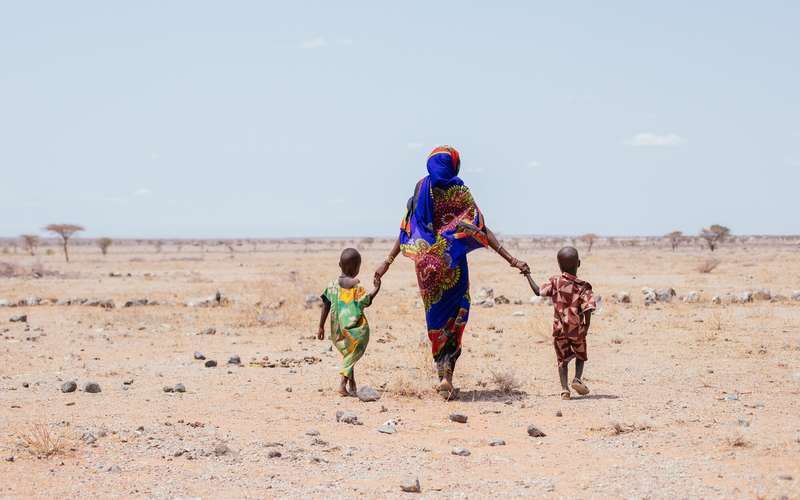
Disaster risk reduction (DRR) is based on the idea that natural events—however powerful and dramatic—are not inherently disastrous. That hazards like hurricanes, earthquakes, and drought pose risks, but that they only trigger disasters when there are people living in harm's way who do not have the means to protect themselves.

For example, if heavy rainfall caused a river to overflow in the wilderness, most people would simply consider it just an interesting natural event. But when the banks of a river are dense with poorly-constructed houses, a heavy rainfall can bring about a full-scale disaster.

What causes people to live in hazardous locations? In most cases, they have no real choice. Poverty, discrimination, and lack of political power have placed them there. But the social, economic, and political forces that underlie disasters can themselves be changed, and in the meantime, even very poor communities can become experts at reducing risks. 

Preparing for emergencies

One of the most straightforward and cost-effective ways of reducing disaster risks is to promote emergency preparedness. Helping vulnerable communities set up early-warning systems, identify or build safe shelters, and learn evacuation and first-aid techniques can save lives by helping people escape the danger.

Reducing the risk

Easing the danger—a process known as mitigation—is another way of minimizing disaster risks. Developing methods of storing food and seeds, for example, can reduce food shortages in areas prone to drought or cold weather.

The gold standard: preventing disasters

Prevention is the most far-reaching goal of DRR. In some cases, it is relatively easy to achieve: planting trees on a mountainside can prevent a landslide from burying the houses below. More often, though, averting disasters altogether—like halting climate change to prevent coastal flooding and other disasters—means challenging cherished policies and practices, and it can take years or even decades to achieve. 


Read about what Oxfam is doing to reduce disaster risks around the world

 
Document Actions
Emergencies
Get involved

Join our online community

Learn more


Stay connected


Emergency action

Emergencies—and how we respond to them—can be catalysts for social change.