Emergencies
When disaster strikes, Oxfam's worldwide network of partners is already on the scene, providing emergency assistance. Once the immediate danger has passed, Oxfam seeks out the root causes of crises and works to bring about lasting change.
Current emergencies
Syrian conflict and refugee crisis
The fierce fighting in Syria has uprooted millions of people from their homes. Oxfam and our partners in the region are assisting many of those who have taken refuge in Lebanon and Jordan.
Armed conflict in Sudan has driven millions from their homes. Oxfam and partners are providing access to crucial aid like clean water, seeds, and the means to earn an income.
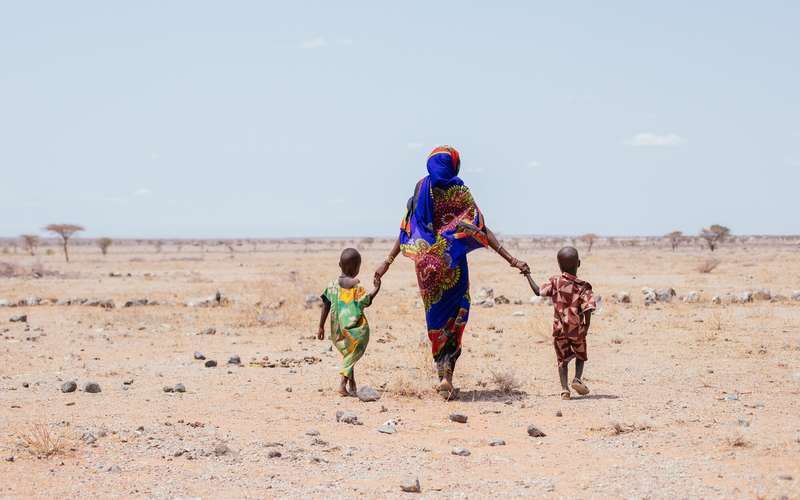
Poor and erratic rains, failed harvests, and soaring food prices set the stage for a severe food crisis in the Sahel region of West Africa in 2012, placing more than 18 million people at risk.
For many of the 13 million people affected by the food crisis that hit East Africa in mid-2011, the hardship is not over. Though good rains came to many areas in late 2011, millions of people continue to need support to recover.
In October 2011, a torrential, nine-day storm caused massive flooding, but Oxfam's decade-long investment in El Salvador deepened the capacity of partners and communities to care for their own.
On January 12, 2010 a major earthquake struck Haiti near the capital of Port-au-Prince causing catastrophic destruction in the western hemisphere's most impoverished nation.
Oxfam is helping people survive catastrophes like hurricanes and earthquakes, and the dangerous upheavals of war. Learn about Saving Lives 24/7.
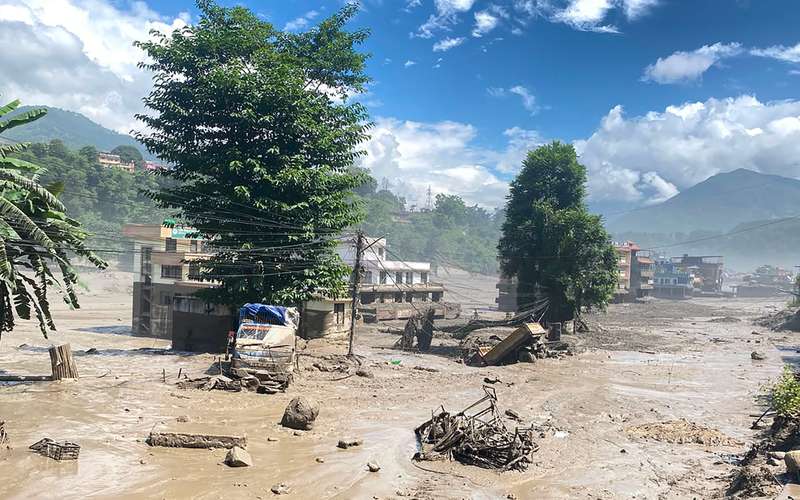
For the second year, massive floods are inundating millions of acres of land in Pakistan. Oxfam is rushing aid to the region, supporting search-and-rescue, planning food distribution, and supplying clean water and sanitation facilities.
Some progress has been made in Afghanistan, but continued conflict and insecurity have added to the hardships that make it one of the poorest countries in the world.
Conflict in the Democratic Republic of Congo has cost nearly 5.4 million lives. Many have fled to neighboring countries or temporary camps, and government stability is fragile.
Responding to disasters is a crucial part of Oxfam's humanitarian mission. But finding ways to help communities prepare for and prevent natural events from becoming full-scale disasters is at the cutting edge of our work.
Features Subscribe | View All
Feature Story
Screaming out loud: Syrian women tell stories of war and struggle
Citizen journalists elevate the voices of their refugee communities.
Feature Story
Top 10 things you need to know about Oxfam
Here are the most important facts about Oxfam America: what we do, how we do it, and how you can get involved in our mission.
Feature Story
Sowing the seeds of a better future
In Haiti’s lush Artibonite Valley, combating hunger and rural poverty may come down to a four-letter word: rice.
Feature Story
For Syrian refugees, a long-awaited trip to the store
Many Syrian refugees in Lebanon are living with little protection from extreme winter temperatures. An Oxfam partner is providing essentials—and choices.
Feature Story
In Haiti's struggle with emergencies, a new partnership
Oxfam’s Salvadoran partners are helping communities reduce disaster risks—in Haiti.
Feature Story
Sahel food crisis: Where are we at the end of 2012?
Good rainfall and better harvests have provided some relief, but challenges still remain as families work hard to recover.


Follow us online