 Story
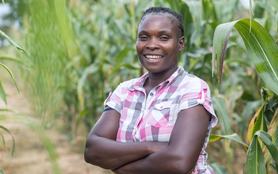
StoryLeading her community out of hunger
A school for farmers, and better collaboration between men and women, improve lives in southern Zambia.


Help save lives in more than 75 countries. All gifts multiplied 5X!
According to some estimates, women represent 70 percent of the world’s poor. Oxfam helps women and girls overcome gender discrimination, realize their potential, and assume leadership roles in their communities.
StoryA school for farmers, and better collaboration between men and women, improve lives in southern Zambia.
 Story
StoryUkrainian organizations are assisting people with help from Oxfam to endure the war’s harshest blackouts.
 Story
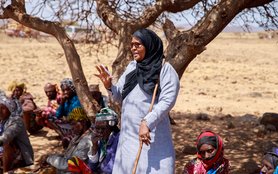
StoryA visionary woman leader in northern Kenya pushes for equality and opportunities.
 Story
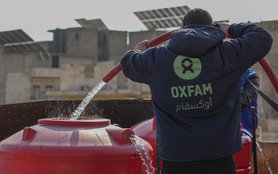
StorySyria ended a 14-year civil war last year, but the humanitarian crisis continues. Here’s what is happening in Syria, and what you can do to help people recover from the conflict.
 Story
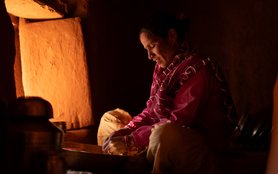
StorySince Pramila Buhl was elected to her local ward council in far western Nepal, she has earned the support of her constituents by finding resources for water projects and training.
 Story
StoryHow water assistance is helping South Sudanese mothers in Gambella, Ethiopia, manage the uncertainty of raising their children in an unstable context.