Ambient homepage video
Last updated: July 30th, 2026
A severe outbreak of the Ebola disease is worsening an already dire humanitarian crisis in Central and East Africa, including the eastern provinces of the Democratic Republic of Congo (DRC) where this most recent outbreak began. The disease is now spreading to other countries including Uganda.
Recent aid cuts affecting programs run by the United Nations and international aid groups mean that this disease outbreak is hitting the DRC when the country is already “stretched to breaking point,” according to Oxfam’s Country Director Dr. Manenji Mangundu.
“Ongoing conflict and years of aid cuts have deepened a humanitarian crisis of staggering scale: One in four people are going hungry,” he says in a recent press release. “Those same aid cuts deepened a humanitarian crisis of staggering scale."
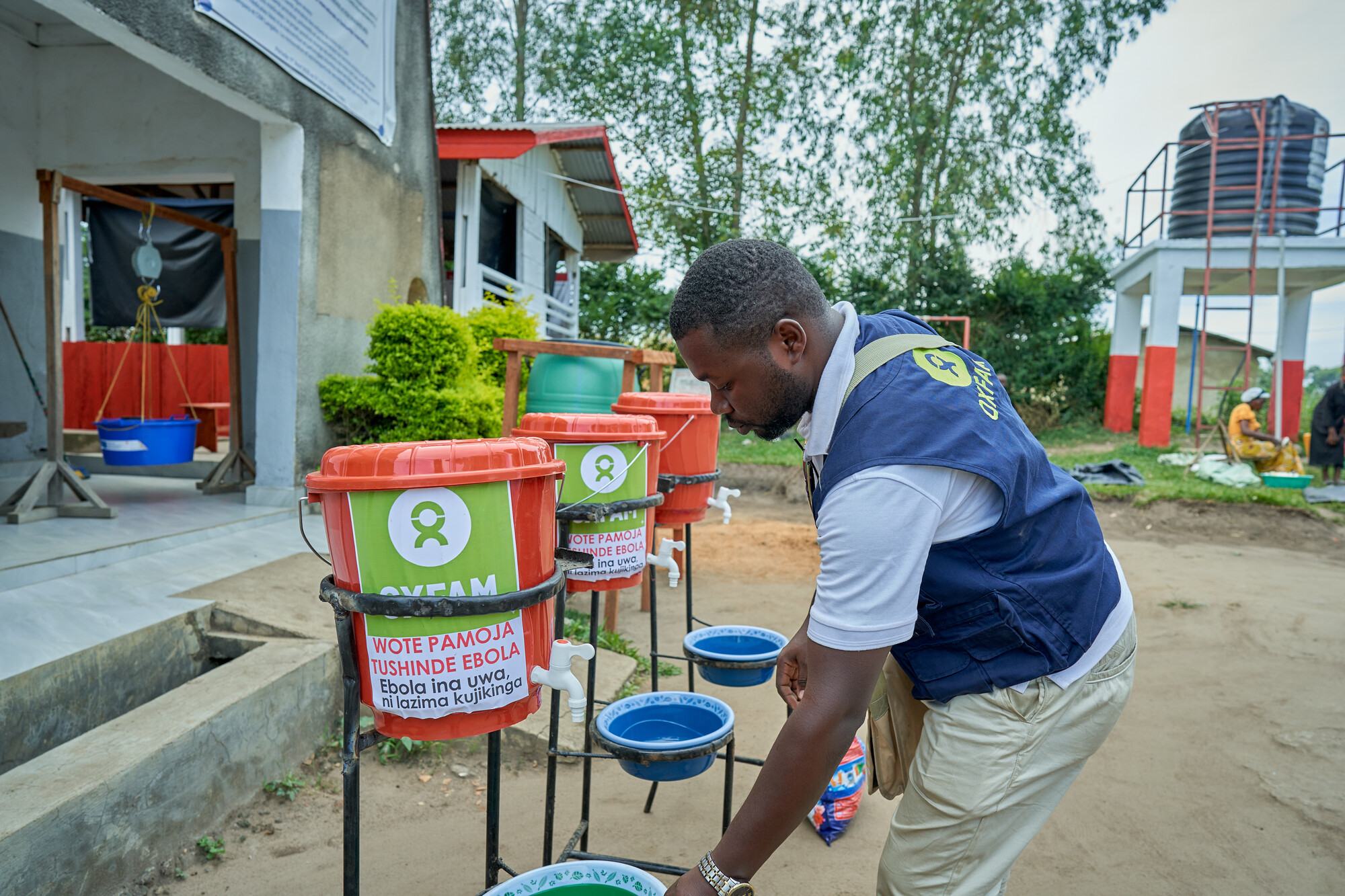
Oxfam is responding in the DRC and Uganda by providing clean water, improvements to sanitation systems, soap and other hygiene materials, and information for communities about how to prevent and treat the disease to reduce the spread of infection. Oxfam staff are assessing risks and needs in South Sudan.
What is Ebola?
According to the Centers for Disease Control, “Ebola disease is caused by a group of viruses.... These viruses can cause serious illness that, without treatment, can cause death. People with Ebola disease may experience fever, aches, pains, and fatigue. As the person becomes sicker, symptoms ...may include diarrhea, vomiting, and unexplained bleeding.”
Initially detected in Bunia, the outbreak has spread to Beni, Butembo, and Goma, raising concerns about undetected transmission in other areas of the DRC as well as neighboring countries.
The type of Ebola disease currently spreading in DRC has no available vaccine and carries a very high fatality rate.
While estimates are still preliminary, Oxfam anticipates 2 million people—already facing dire gaps in basic needs—could be affected.
WHAT IS OXFAM DOING TO RESPOND TO THE EBOLA OUTBREAK?
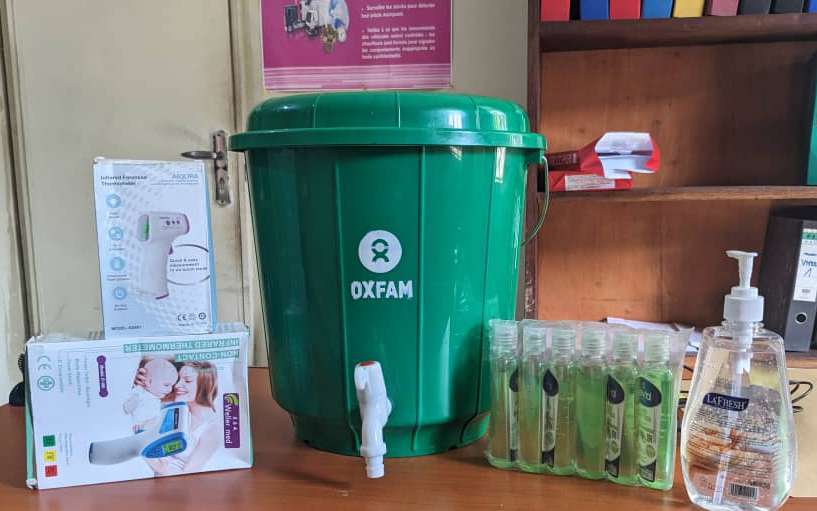
An immediate, well-coordinated, and rapid response to an Ebola outbreak such as this one in DRC and Uganda is crucial to save lives. Oxfam and our partners in DRC and Uganda are prioritizing measures to prevent infection, including improving access to proper water, sanitation, and hygiene. We are also working with local community leaders and volunteers to ensure people know how to prevent the disease and where to seek medical care.
Oxfam staff in South Sudan, which faces a similar vulnerability to transmission, has started to assess risks to the country, staff, partner staff, and on-going programs in the country.
Accurate information about the Ebola disease, access to basic healthcare and proper hygiene, and the trust of local communities will all help to reduce transmission of the Ebola disease.
Stopping the chain of transmission in the Democratic Republic of Congo
In the eastern provinces of the DRC, Oxfam has been working for decades to help people affected by on-going conflict. We are working with partners such as AVUDS, Centre de Développement Intégral de l’Enfant Rural (CEDIER – Center for the integral development of the rural child) and Solidarité pour la Promotion Sociale et la Paix (SOPROP, a civil society organization promoting peace and social cohesion) to help displaced people in North and South Kivu in eastern DRC with food, clean water, sanitation, cash assistance as well as hygiene kits for women and girls. In North Kivu, we are working with the member organizations of the Comité de Pilotage des Actions Humanitaires (CoPIRDC – Humanitarian Action Management Committee) to support communities affected by the disease.
We aim to reach 600,000 people in the eastern DRC, including people who have been displaced by conflict and the outbreak of Ebola disease.
- Oxfam’s Ebola response in Ituri and North Kivu is focused on public health promotion and supporting community-led solutions to break the chain of transmission. In North Kivu, Oxfam is rehabilitating water sources, training local leaders in prevention and treatment for Ebola disease, and helping villages set up surveillance committees to monitor public health. So far, Oxfam has reached more than 83,000 people in North Kivu and Ituri with public health messages.
- Oxfam will also provide safe, clean water in affected communities and improve the infrastructures of health centers. This will include construction or rehabilitation of clean water sources, latrines and handwashing stations, distributing soap and other critical hygiene items, and community focused public health promotion. Oxfam recently distributed 4,000 hygiene kits with soap, toothbrushes, towels, and other items, and delivered 50 cubic meters (13,200 gallons) of clean water to priority areas in Ituri.
Oxfam is urgently seeking $12 million to scale up its emergency response, and will aim to reach 200,000 people in the most-affected areas including Bunia, Beni, and Butembo regions.
Preventing infection in Uganda
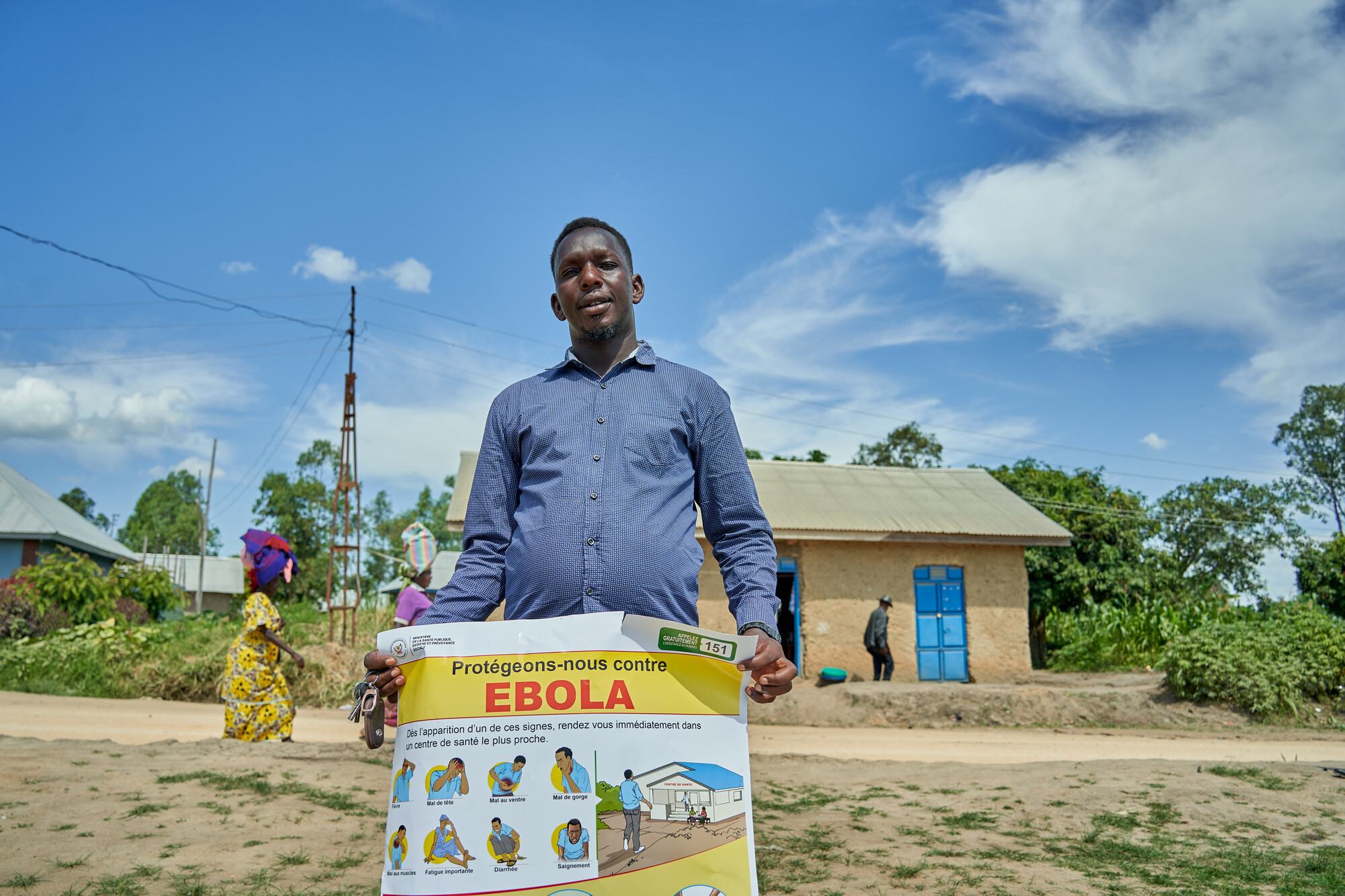
Oxfam is mobilizing resources to respond to the Ebola disease outbreak related to daily border crossings and trade between Uganda and the DRC, and procuring personal protective equipment and other supplies to help prevent infection in health facilities in Southwest and West Nile regions, particularly where there are large settlements of vulnerable refugees. We are also working with community volunteers to promote good hygiene and better awareness of how to prevent infection, and what to do if someone falls ill. Oxfam’s initial plans are to reach 45,000 people in Uganda.
Preparing to respond in South Sudan
There are no confirmed cases in South Sudan, but the country faces a risk of Ebola infection due to frequent cross-border movements of people and a low level of national readiness to respond to a disease outbreak. Oxfam is taking steps to prepare staff and the staff of partner organizations, and ensure access to personal protective equipment and hygiene supplies.
Lives lost to Ebola in DRC
3,360
Confirmed Ebola cases
1,487
Confirmed deaths from Ebola
2 million
people potentially at risk